Follow Us on Google

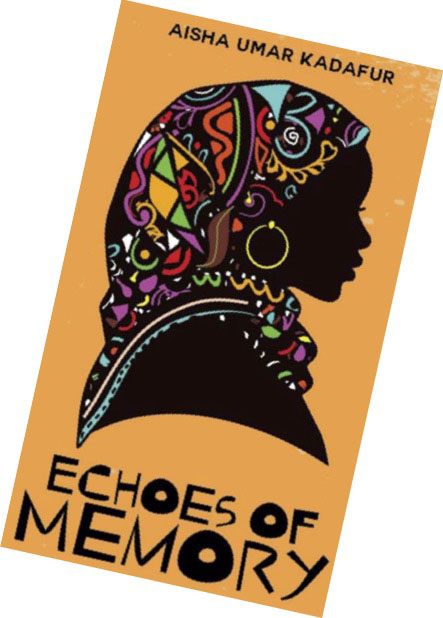
Title: Echoes of Memory
author: Aisha Umar Kadafur
author: Frank Ibezim Foundation, Abuja
year: 2025
pagination: 25
Reviewer: Mohammed Umar Midala
Echoes of Memory is the debut poetry collection of Aisha Umar Kadafur, a passionate young law graduate, who uses poetry as a medium for self-expression and advocacy. As stated in the book, it is “a heartfelt journey through emotion, reflection, and resilience.”
The collection comprises 20 poems through which the author seeks to give voice to the unspoken and find strength in vulnerability. Beyond being a poetry collection, the book can be viewed as a personal reflection shared with the world. Based on the titles of the poems, the collection explores four major themes.
Family and Roots: Poems such as “My Father’, “Dearest Parent”, and “Arewa’ reflect the importance of family values, cultural heritage and Northern Nigerian identity. They suggest a strong connection to the author’s roots and a sense of pride in her background.
Mental Health and Inner Struggles:
Poems such as “My Depression”, “Unspoken”, “Addiction”, “Alone”, “Echoes of Lonely”, “Black”, “Hurt”,
“The Language of Blades”, and “I Am Fine” suggest an exploration of emotional distress, loneliness, personal struggles and self-harm.
These sensitive themes make the collection relevant to discussions about mental health among young people in Arewa, where such issues may be difficult to discuss openly.
Other News
The placement of “I Am Fine” after “The Language of Blades” is particularly thought-provoking, inviting readers to reflect on the difference between outward appearances and inner struggles.
Social Justice and Advocacy: Poems such as “My Voice”, “Our Equal Future”, “Technology”, “COVID-19: A Chronicle of Sorrow”, “Rape”, and “Poetry” address themes relating to gender equality, sexual violence, the impact of the COVID-19 pandemic and the role of poetry in self-expression and advocacy.
These subjects reflect the potential of literature to raise awareness, challenge social silence, and encourage conversations about justice and the protection of vulnerable people.
Love and Loss: Poems such as “Whichever Path I Choose”, “Adieu, You,” and “Rain” explore the emotional dimensions of love, separation, personal choices and loss. They add a reflective and intimate dimension to the collection.
Strengths of the Collection
Courage and Authenticity: The author’s willingness to address sensitive subjects such as depression, addiction, and sexual violence demonstrates courage and a commitment to engaging with issues that are often surrounded by stigma and silence.
Relatability: The themes of loneliness, emotional pain and unspoken struggles may resonate with secondary school students and university undergraduates facing personal, social and emotional challenges.
Purpose-Driven Expression: The collection appears to extend beyond personal expression by engaging with broader social concerns. Its themes suggest a writer interested in justice, equality, and giving voice to people whose experiences are often overlooked.
However, the collection would benefit from further editorial refinement. For example, the title “My Voice Our Equal Future” should be corrected to “My Voice, Our Equal Future’.
Additionally, organising the poems into thematic sections could improve the structure and reading experience. Possible sections include Part One: Home and Identity; Part Two: Pain and Reflection, and Part Three: Hope and Healing. Such an arrangement could help readers follow the emotional and thematic progression of the collection more clearly.
Echoes of Memory is a promising debut collection that prioritises emotional honesty, personal reflection and social awareness. Rather than pursuing literary perfection alone, it seeks to communicate experiences, struggles, and hopes that readers may recognise in their own lives.
Aisha Umar Kadafur demonstrates promise as a young writer whose work engages with important personal and societal issues. The collection may particularly appeal to students and young people, especially girls in northern Nigeria, by encouraging conversations about mental health, identity, resilience and the importance of expressing one’s feelings.
Ultimately, Echoes of Memory offers a promising literary voice from Arewa and deserves consideration for wider readership and discussion.
•Malam Umar, is the Deputy Education Secretary, Biu Local Education Authority (LEA), Borno State.