Follow Us on Google
By Adewale Sanyaolu
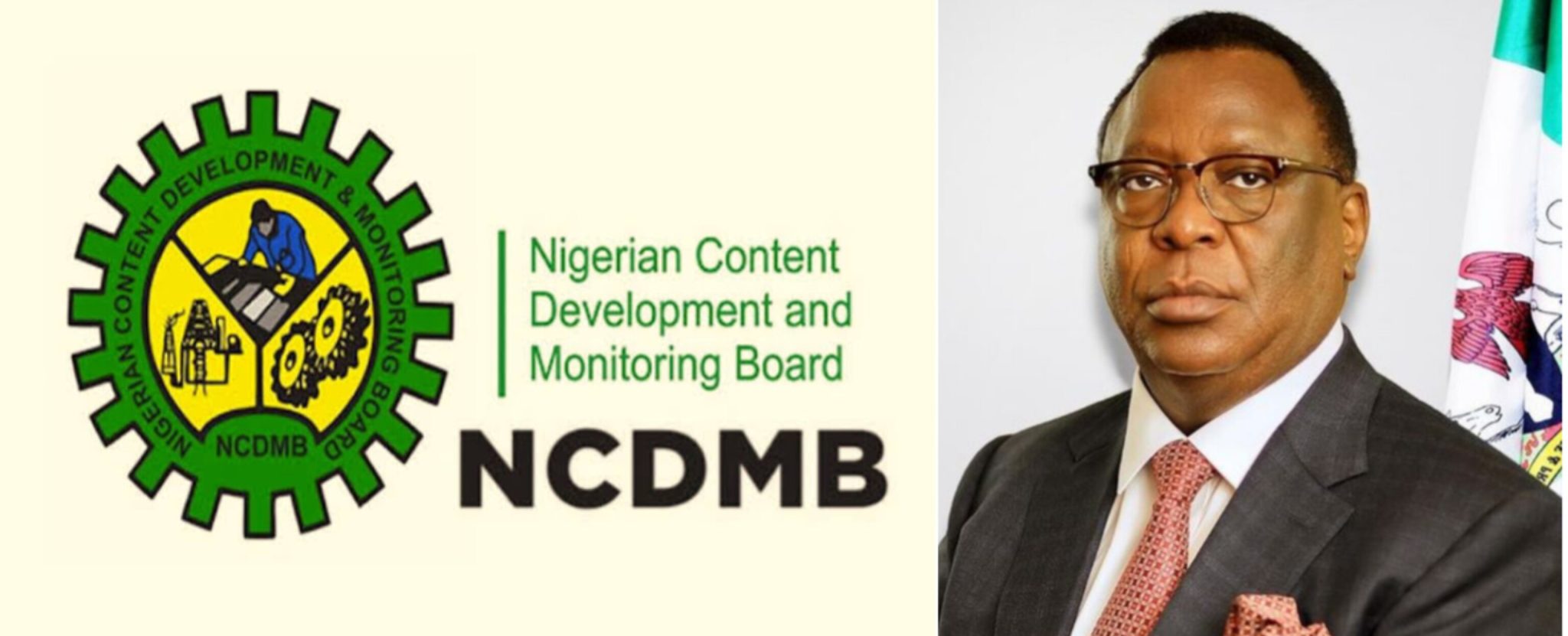
Africa’s push to grow its oil and gas industry will stall unless countries abandon siloed policies and embrace continent-wide collaboration on local content, the Executive Secretary of the Nigerian Content Development and Monitoring Board (NCDMB), Engr. Felix Omatsola Ogbe, has warned.
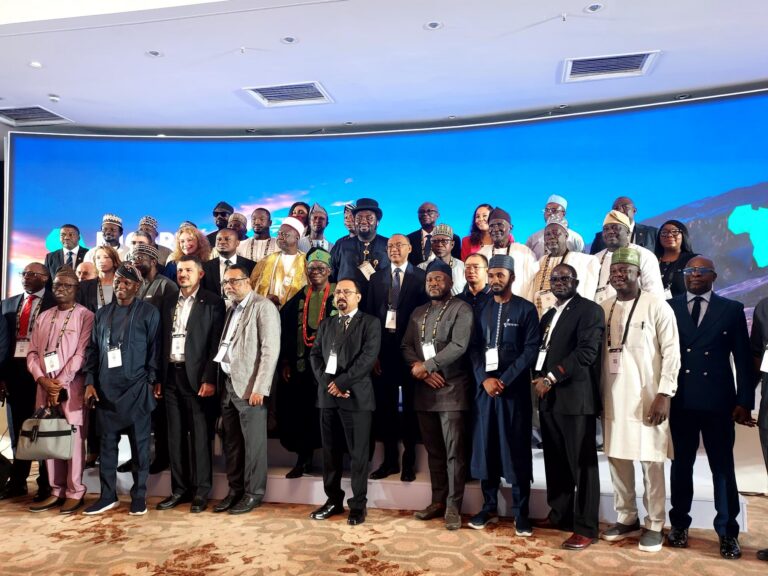
Ogbe stated this at the 10th anniversary edition of the Sub-Saharan African International Petroleum Exhibition and Conference (SAIPEC 2026), organised bybthe Petroleum Technology Association of Nigeria(PETAN),in Lagos, yesterday.
The NCDMB boss, said collaboration—rather than competition among African states—has become critical as the continent struggles with rising project costs, regulatory bottlenecks and tightening global capital.
Delivering a keynote address themed “Africa’s Local Content Collaboration Strategy,” Ogbe stressed that Africa can no longer afford fragmented approaches to developing indigenous capacity in the energy sector.
“For Africa, collaboration is not optional; it must remain the cornerstone of our strategy,” he said. “Our efforts cannot be siloed if we want real progress and sustainable results.”
He noted that lessons from SAIPEC 2025 showed that while local content development has advanced across the continent, progress remains uneven and fragile without strong partnerships between governments, the private sector and host communities.
Ogbe pointed to Nigeria’s experience as evidence that deliberate policy sequencing works. According to him, the country first deepened indigenous participation, then invested heavily in capacity building, before tightening regulations to eliminate weak intermediaries.
“We now prohibit the transfer of certifications to intermediaries and insist on working only with competent and capable contractors,” he said, adding that technical competence has become a critical criterion in tender evaluations.
At the continental level, Ogbe urged African regulators to fully leverage the Brazzaville Accord to harmonise regulations, reduce red tape and create a more competitive investment environment.
“By aligning our frameworks and minimising bottlenecks, African energy projects can become more economically viable and better positioned to compete for global funding,” he said.
A major highlight of the address was Ogbe’s strong backing for the newly established Africa Energy Bank, promoted by the African Petroleum Producers’ Organization (APPO) in partnership with Afreximbank. He described the bank as a “strategic milestone” that could change the financing landscape for African energy projects.
“The Africa Energy Bank is designed to mobilise capital, lower financing costs, strengthen African energy companies and boost capacity across the continent,” he said.
Ogbe called on governments, regulators, investors and industry players to actively support the bank’s take-off, warning that without affordable financing, Africa risks losing ground in a rapidly changing global energy market.
As SAIPEC marked a decade of oil and gas innovation in Sub-Saharan Africa, Ogbe concluded that the future of the continent’s energy sector depends on shared vision and coordinated action.
“By working together across borders, industries and sectors, Africa can build inclusive and sustainable local content strategies that will take our energy sector to greater heights,” he said.