Follow Us on Google
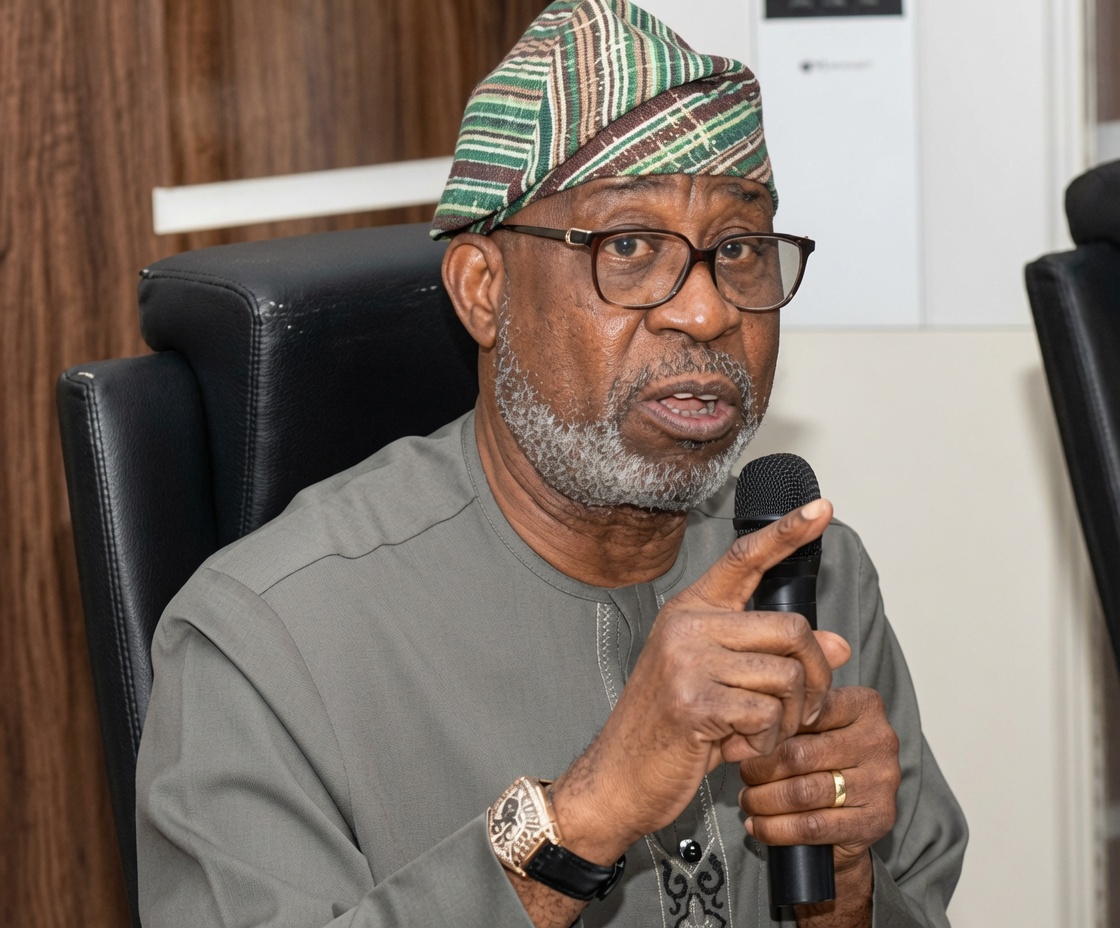
Says continent must embrace value addition, industrialisation
Minister of Solid Minerals Development Dele Alake has said Africa can no longer afford to remain a mere supplier of raw materials to the rest of the world if it hopes to achieve sustainable economic growth and industrial development.
Dr Alake made the assertion as Nigeria intensified preparations for the 5th African Natural Resources and Energy Investment Summit (AFNIS) 2026, slated for Abuja from June 23 to 25, positioning the country at the forefront of Africa’s push for resource sovereignty and industrial transformation.
Represented by the Managing Director of the Nigerian Solid Minerals Development Company, Martin Imanite, the minister said the era of exporting raw materials while importing finished products must come to an end.
“Africa can no longer afford to remain a supplier of raw materials to the rest of the world if it hopes to achieve sustainable economic growth and industrial development.”
He noted that the summit is coming at a critical period when global demand for critical minerals is soaring, nations are scrambling to secure strategic supply chains, and investors are increasingly looking towards Africa for long-term opportunities.
According to him, AFNIS, which started five years ago as a platform for dialogue among governments, investors and development institutions, has grown into one of the continent’s leading forums shaping discussions on mining, energy, industrialisation and sustainable development.
Alake said the theme of this year’s summit, “One Africa, One Resource Vision”, underscores the urgent need for African countries to work together in unlocking the full value of their natural resources.
“The theme reflects the growing consensus that Africa’s resource-related challenges and opportunities require collective action, stronger regional cooperation and integrated value chains.”
He stressed that critical mineral development, energy infrastructure, responsible sourcing, project financing, technology transfer and industrial corridor development can only deliver maximum benefits through deeper continental collaboration.
The minister said AFNIS 2026 will focus more on implementation, creating direct engagement opportunities among governments, investors, financiers, project developers and technical experts.
The summit will feature ministerial dialogues, investor engagement sessions, CEOs’ roundtables, project financing discussions and business-to-business meetings aimed at turning policy discussions into concrete investments and partnerships.
“Participants are expected to leave Abuja with concrete partnerships, bankable projects and investment opportunities capable of accelerating Africa’s economic transformation.”
Alake stated that ministers and top government officials responsible for mining, petroleum resources, energy and industrial development from countries including the Democratic Republic of the Congo, Kenya, Uganda, South Sudan, Somalia, Liberia and Mauritania are expected to participate.
Other News
The event is also expected to attract development finance institutions, sovereign wealth funds, commercial banks, mining and energy companies, technology providers, geoscience firms and policymakers from across Africa and beyond.
On his part, the Permanent Secretary of the Ministry of Solid Minerals Development, Mr Faruk Yabo, called on African nations to end the export of raw minerals and embrace value addition and industrialisation to unlock the continent’s full economic potential.
Yabo, represented by Dr Stella Udoh, said Africa’s vast mineral endowment must translate into jobs, investment and sustainable growth rather than continued raw material dependence.
He said global demand for critical minerals places Africa at a strategic advantage in the ongoing energy transition, but warned that the continent risks missing out without local processing and industrial development.
“Africa has a unique opportunity to move beyond the export of raw materials and embrace value addition, technology integration and industrialisation,” he said.
Yabo described AFNIS as a key platform for driving investment, dialogue and partnerships across the continent’s natural resources and energy sectors.
He said the summit aligns with Nigeria’s drive to build a competitive and investment-friendly mining sector capable of diversifying the economy and creating jobs.
“Our goal is to ensure the sector becomes a major driver of economic diversification, job creation and national development,” he added.
He also commended the media for its role in shaping public understanding and promoting accountability, describing journalists as critical partners in development.
Yabo expressed optimism that AFNIS 2026 would deepen collaboration across Africa and accelerate efforts to turn mineral wealth into shared prosperity.
In his presentation, the representative of Core International, Archibald Troko, said the summit has hosted more than 5,000 delegates from over 30 countries in the last four years, including major international organisations such as the African Union, European Union and United Nations agencies.
According to him, this year’s edition is designed to move beyond rhetoric and drive concrete action towards Africa’s resource sovereignty agenda.
“The summit seeks to unite African nations under a common vision of transforming natural resources into engines of economic growth, industrial development and social prosperity.”