Follow Us on Google
From Abdulrazaq Mungadi, Gombe
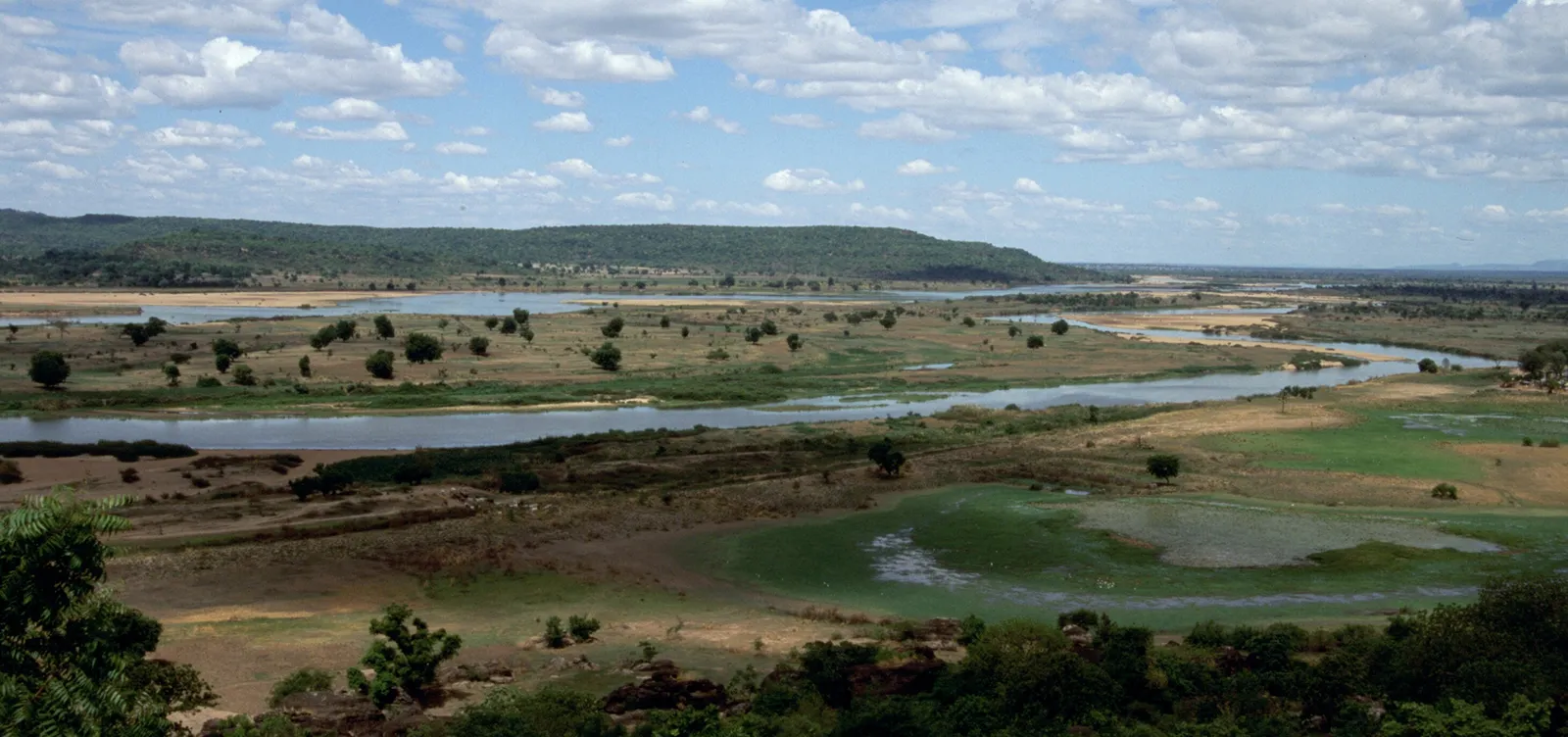
The Agro-Climatic Resilience in Semi-Arid Landscapes (ACReSAL) project, in partnership with the Federal Government, has convened a stakeholders’ engagement to develop strategic catchment management plans for the Gongola, Gali-Lamurde, and Hawal-Kilunga river basins.
The meeting, which was held in Gombe, brought together community leaders, policymakers, environmental experts, and civil society groups and was organised to strengthen collective action in addressing environmental degradation, flooding, and water resource challenges across Northern Nigeria.
Speaking during the opening ceremony of the meeting, the Gombe State Commissioner for Water, Environment, and Forest Resources, Mohammed Saidu Fawu, disclosed that the development of the plan is part of a coordinated effort to protect vital water resources threatened by climate variability, deforestation, overgrazing, and unsustainable agricultural practices.
He explained that the plans, which will cover Bauchi, Gombe, Adamawa, Plateau, Taraba, Yobe, and Borno States, aim to promote sustainable water use, strengthen institutional capacity, and unlock climate finance opportunities for basin-wide conservation and restoration.
Other News
He said, “This engagement is not just about plans; it is about safeguarding our shared future. The decisions taken here will ripple across generations by ensuring sustainable water management, equitable access, and resilience against environmental shocks.”
Meanwhile, Abdulhamid Umar, the National Project Coordinator (NPC) of ACReSAL, stressed that the comprehensive catchment management plan is being designed from the grassroots up to reflect the realities of local communities. According to him, the process deliberately prioritises community participation to ensure that the voices of the people are heard and their particular challenges captured.
He explained that such an approach will not only provide practical, home-grown solutions but also guarantee a sense of ownership among beneficiaries, making interventions more sustainable.
He said, “Gone are the days when people would sit in Abuja and design plans for Gombe without understanding the peculiarities, needs, and concerns of the Gombe people.” He added that the communities are now part of the planning, and that is the only way to secure long-term success.