Follow Us on Google

From Noah Ebije, Kaduna
The Arewa Consultative Forum (ACF) has called on the Federal Government to make public the full details of its reported critical minerals agreement with the United States, warning that secrecy could undermine national interests and deprive mineral-producing communities of the benefits of their natural resources.
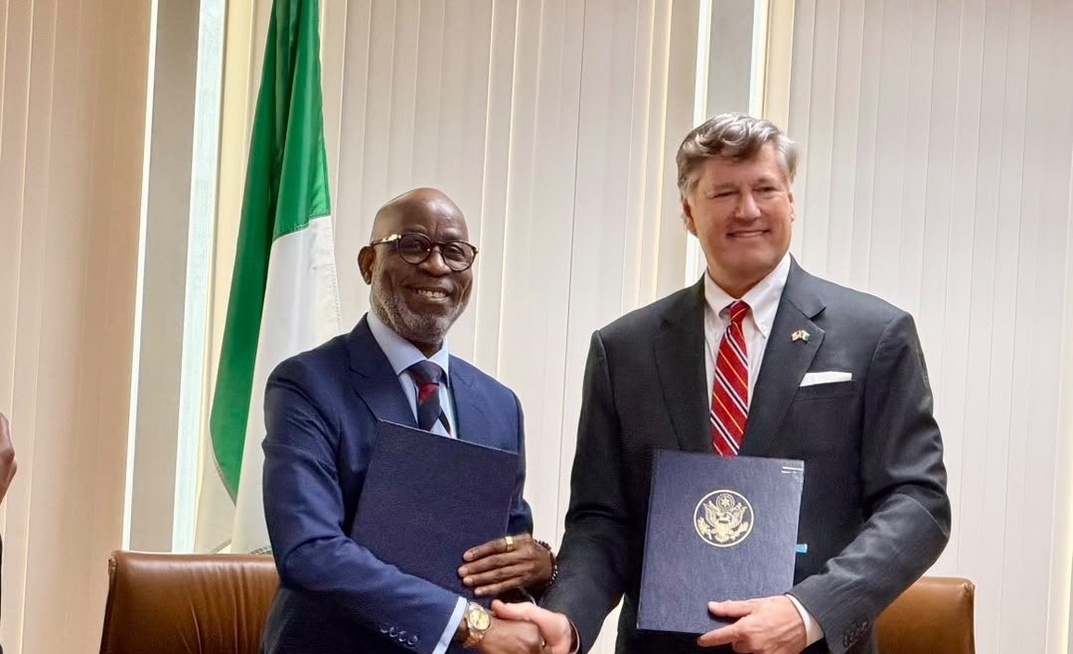
In a statement issued in Kaduna, the northern socio-cultural organisation expressed concern over what it described as the government’s reluctance to disclose the terms, scope, financial commitments and implementation framework of the agreement reportedly signed in New York on September 23.
The statement, signed by ACF Publicity Secretary, Prof Tukur Muhammad-Baba, stressed that transparency and accountability were essential to any international partnership involving Nigeria’s strategic mineral resources.
While acknowledging the potential benefits of foreign investment and technical cooperation, the Forum insisted that the agreement must protect Nigeria’s sovereignty and guarantee tangible economic benefits for the country and communities where the minerals are extracted.
“Full public disclosure, and scrutiny therefrom, are therefore very critical and should not be treated cavalierly,” the statement said.
The ACF clarified that its objection was not directed at cooperation with the United States but at the lack of publicly available information about the reported agreement and the uncertainty surrounding its potential implications for Nigeria.
“ACF’s concern is not, per se, cooperation with the United States but whether Nigeria, and particularly mineral-producing communities, will receive a fair, transparent and enforceable share of the benefits,” it stated.
The Forum noted that Northern Nigeria possesses significant deposits of gold, lithium, lead-zinc and other commercially valuable minerals that could drive industrial development, generate employment and increase public revenue if properly managed.
It, however, warned that mineral development must go beyond the extraction and export of raw materials to deliver lasting economic opportunities through local processing, technology transfer, skills acquisition and meaningful Nigerian participation in the mining industry.
According to the ACF, mineral development should guarantee infrastructure, environmental protection, fair compensation for affected communities and sustainable economic opportunities for residents of mining areas.
The Forum maintained that the central question was whether the reported agreement would translate into measurable benefits for Nigerians, particularly communities whose lands and resources would be affected by mining activities.
“For the ACF, the central issue is not simply whether these resources will attract foreign investment, but whether their development will translate into demonstrable or measurable and substantial benefits for the people of the region or elsewhere in the country,” the statement added.
It warned that an arrangement that prioritises mineral extraction without adequate local participation and value addition could leave resource-bearing communities impoverished despite the commercial value of their natural resources.
The ACF also expressed concern that the persistent insecurity affecting several parts of Northern Nigeria could expose mineral-rich communities to illegal exploitation, displacement, environmental degradation and the loss of legitimate economic opportunities.
The Forum described the region’s security situation as a major consideration in the development of its mineral resources, citing attacks by armed non-state actors, killings, kidnappings, displacement and the destruction of communities.
It cautioned that mining agreements must not create additional vulnerabilities for communities already struggling with insecurity and economic hardship.
“The FGN and relevant security and regulatory institutions should therefore explain the safeguards that will prevent illegal exploitation, protect mining sites and host communities, as well as ensure that the proceeds of lawful mineral development contribute to legitimate economic activities,” the statement said.
The organisation further called for thorough investigations into allegations of illegal exploitation or the involvement of foreign interests in criminal activities connected to mining, stressing that such allegations must be addressed by competent authorities on the basis of credible evidence.
It urged the government to explain how mining sites would be secured, environmental damage prevented and the rights of host communities protected throughout the exploration and exploitation process.
Seeking clarity on the reported agreement, the ACF raised a series of questions about its legal status, financial implications, commercial arrangements and potential impact on Nigeria’s mineral sector.
Among other things, the Forum demanded to know precisely what Nigeria had signed and whether the complete agreement, including annexes, side letters and subsequent implementation arrangements, would be published for public scrutiny.
It also questioned what the United States had committed to provide in return, asking the government to identify specific investments, financing arrangements, infrastructure projects, technology transfers and industrial facilities expected under the deal.
The ACF further sought clarification on whether the agreement granted participating American companies preferential access to Nigerian mineral resources, exclusive purchasing rights or other commercial advantages.
“What rights, if any, does the agreement confer on participating parties (companies, etc.) and what safeguards preserve Nigeria’s lawful regulatory powers?” the Forum asked.
It also demanded enforceable guarantees for local employment, skills development, Nigerian ownership and participation, community infrastructure, environmental restoration and compensation for affected populations.
On value addition, the organisation questioned whether the agreement contained binding provisions for local processing and technology development or would primarily facilitate the export of raw minerals.
The Forum also raised concerns over the ownership and commercial use of geological data generated through mineral exploration, particularly information relating to Northern Nigeria’s strategic mineral deposits.
It asked the government to clarify who would own, control, store and commercially use such data and how Nigeria’s strategic interests would be protected.
Other concerns included responsibility for environmental remediation, water contamination, land degradation, unsafe mining practices, displacement and conflicts over mineral-bearing land.
The ACF also sought clarification on the roles of state governments, traditional institutions, local communities, artisanal miners and Nigerian businesses in decisions affecting their economic future.
To support its demand for disclosure, the Forum referred to Section 14(2)(b) of the 1999 Constitution, as amended, which establishes the security and welfare of the people as the primary purpose of government.
It also cited Section 16(1)(a) and (b), concerning the management of national resources and the promotion of economic welfare, while acknowledging the limitations on judicial enforcement of Chapter II provisions under Section 6(6)(c) of the Constitution.
The organisation further invoked the Freedom of Information Act, 2011, as a statutory framework through which citizens can seek access to records held by public institutions, subject to applicable limitations.
“At the very least, therefore, the FGN should fully disclose the agreement in question, without withholding any material facts as well as submit to appropriate legislative oversight,” the statement said.
The ACF maintained that the reported agreement should be subjected to appropriate scrutiny to establish its compliance with Nigeria’s constitutional and statutory framework governing mineral resources and land administration.