Follow Us on Google
By Chinelo Obogo
Three months after Nigeria’s domestic airlines sought President Bola Tinubu’s intervention over soaring operating costs, the country’s carriers are still waiting for an audience with the President.
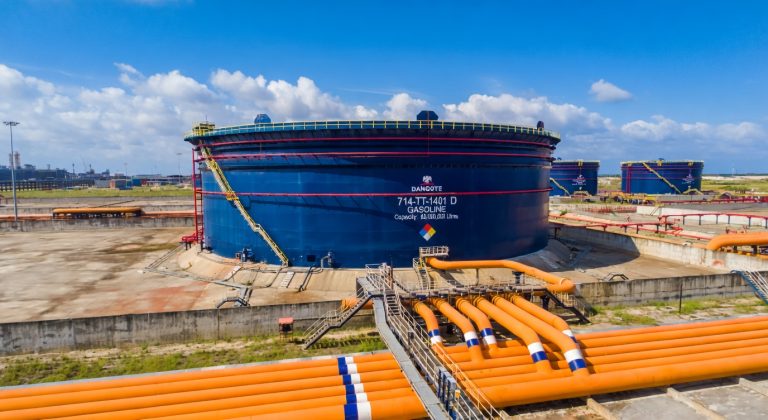
This comes as crippling jet fuel prices and multiple taxes continue to threaten the industry’s survival.
The Airline Operators of Nigeria (AON), the umbrella body for domestic carriers, had requested a meeting with Tinubu following the April crisis that pushed the price of Jet A1 from about N900 to as high as N3,300 per litre, sparking fears of a nationwide shutdown.
At the height of the crisis, the airlines accused fuel marketers of exploiting operators and warned that many carriers could fold if the price surge persisted, noting that aviation fuel accounts for nearly 40 per cent of airlines’ operating costs in an industry already burdened by razor-thin profit margins.
Although prices have eased from their peak, operators insist the pressure has not abated, citing persistently high fuel costs, multiple government charges and other operational bottlenecks that continue to erode profitability.
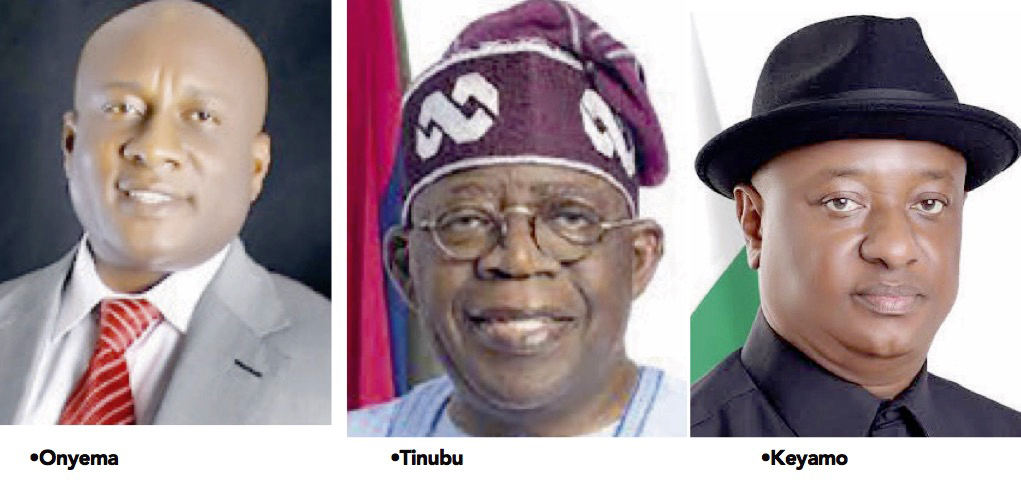
The federal government initially moved to calm tensions through the Minister of Aviation and Aerospace Development, Festus Keyamo, who urged the airlines to shelve plans to suspend operations and convened an emergency stakeholders’ meeting in Abuja.
However, with no meeting yet held with President Tinubu, industry players say the long-awaited engagement remains crucial to finding lasting solutions to the sector’s mounting challenges.
AON, for its part, agreed to hold off on any shutdown. The Minister met with the President who approved a 30 percent discount on the statutory debts’ airlines owed to various aviation agencies. But as the days went by, the financial pressures facing the industry did not abate and the AON began to make clear that though they appreciate the government’s intervention, they still want a meeting with the President himself.
In late May, there was a dispute with the Nigerian Civil Aviation Authority (NCAA) over allegations that member airlines owed cost recovery charges to the regulator but AON rejected those allegations, insisting that all regulatory services rendered by the NCAA were paid for strictly on a “cash-before-service” basis, and that what the agency was actually referring to was outstanding remittance of the five percent Ticket Sales Charge (TSC), a levy the airline body has long argued should never have been paid through airlines in the first place.
Other News
The AON released a statement refuting the allegations made by the NCAA but tucked into that statement, however, was an acknowledgment that they still have not been given audience by the Presidency. AON said it appreciates Tinubu for granting the 30 per cent concession on outstanding statutory charges as an interim measure, but went further, revealing that it still wanted a direct meeting with him.
It said: “While the AON acknowledges and appreciates this gesture, we had appealed for a meeting with Mr. President to discuss further reliefs, a request that is yet to be granted.”
Air Peace Chairman, Allen Onyema, who also serves as AON’s Vice President, has been one of the visible and vocal faces of the operators’ campaign for intervention. By late June, with the issues still unresolved, Onyema made another appeal for the AON to be granted the opportunity to meet with the President.
In an interview with Arise News, Onyema insisted that operators simply wanted the opportunity to explain, in their own words, what the industry was going through. Though he appreciated the effort of the government in signing the Practice Direction on the Cape Town Convention, an international treaty governing aircraft financing and leasing, he said Nigerian airlines are seeking a meeting with President Tinubu to discuss the challenges facing the aviation sector, particularly multiple taxes, charges, and rising operating costs that continue to threaten the survival of domestic carriers.
The AON Vice President said the aviation industry has been severely impacted by rising fuel costs, high-interest loans, and regulatory charges, stressing that airlines need direct engagement with the president to address issues affecting their operations. He said the challenges confronting Nigerian airlines are part of a broader global aviation crisis triggered by geopolitical tensions, particularly the conflict involving the United States, Israel, and Iran, which has driven up the cost of aviation fuel worldwide. He said even though airlines around the world have been affected by rising fuel prices, Nigerian operators face a more severe situation due to the sharp increase in aviation fuel costs and expensive borrowing conditions.
“What has happened to Nigerian aviation is global. It’s a global crisis in the aviation industry. It’s not just limited to Nigeria alone. Since the advent of the US-Israel-Iran war, the aviation world has been adversely affected. No Nigerian airline is smiling now. We’ve all borrowed and borrowed, and thanks to the banks that believe in the aviation industry, we’ve all borrowed and borrowed billions just to buy fuel and fly,” Onyema said.
On the dispute with the NCAA over alleged debt owed by the airlines, he said a ticket could be priced at N100,000 and the NCAA will collect five percent regardless of the airline’s actual profit margin on that sale. “The truth we have to tell the president is that the 5 percent passenger TSC, they charge the airlines and they will tell you that it’s the passengers that pay it. We refuse to accept it. Aviation itself does not give you 5 percent gain. But they tell you, it’s the passengers that pay it. We want Mr. President to set up an aviation taxes and charges review committee. It is very important, so that it doesn’t look as if we are trying to fool the government.”
AON has always contended that Nigeria’s airline industry is fragile, and that further delay carries real economic risk. Onyema in his interview pointed to what he calls the country’s unusually high airline mortality rate as evidence of a sector under sustained strain.
He said: “Over 70 airlines have come and gone in this country. Nigeria has the highest mortality rate of airlines worldwide. That’s not complimentary. We keep on complaining. Nobody is listening to us.”
He warned that the collapse of any major carrier would have a ripple effect on the banking sector and the labour market. Nigerian airlines, he noted, have taken on significant debt from lenders who believe in the aviation industry in order to keep flying through the fuel crisis, an exposure he said would become a serious liability for those banks should any airline go under. “If any airline goes down, banks will take a hit and it creates massive job unemployment. A lot of people will be thrown into the unemployment market,” he said.