Follow Us on Google
Set to host 2026 African raw minerals summit in Abuja
_______________________________________________________________________
Nigeria’s over $582 billion worth of natural resources could become a major engine of industrialisation and job creation if the proposed 30 per cent Raw Materials Value Addition Bill is signed into law, the Raw Materials Research and Development Council (RMRDC) has said.
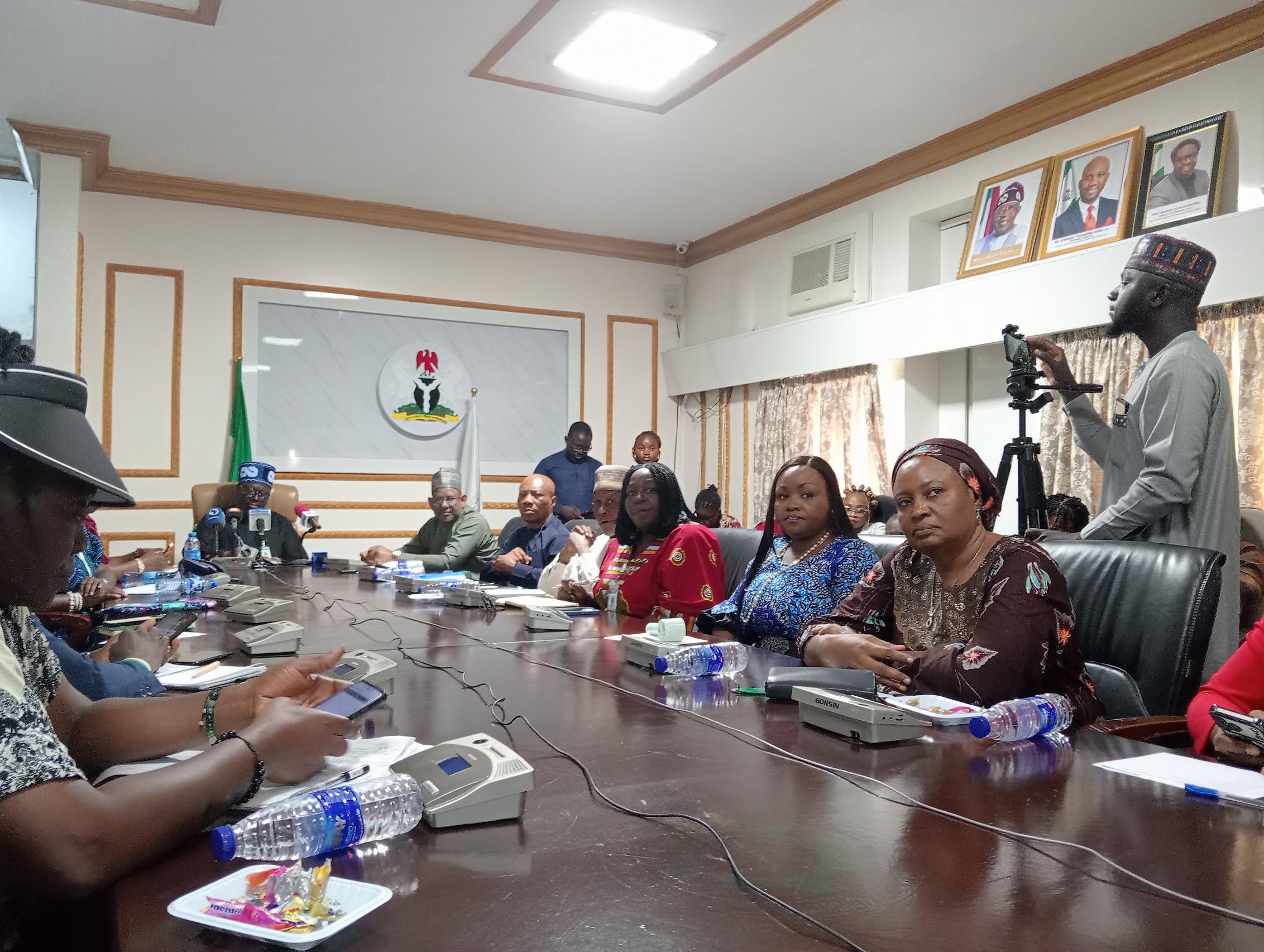
The Director-General of the RMRDC, Prof Nnanyelugo Ike-Muonso, disclosed this on Tuesday in Abuja at a press conference ahead of the second edition of the Africa Raw Materials Summit (ARMS) 2026, scheduled for 19 and 20 October.
Ike-Muonso said Nigeria’s soil alone contains about $582.4 billion worth of documented non-renewable natural resources, while the continent is richly endowed with critical minerals, agricultural raw materials and industrial feedstock.
“In Nigeria alone, our soil holds over 582.4 billion US dollars in documented non-renewable natural resources.
“Across Africa’s 54 nations, our endowment of critical transition minerals, agricultural raw materials and industrial feedstock is virtually peerless.
“Yet our vulnerability to external commodity price shocks persists, our currencies face avoidable pressure, and our youth seek jobs that our raw commodity export model shifts overseas,” he said.
According to him, the 2026 summit, themed “From African Feedstock to African Factories”, will bring together policymakers, investors, researchers, industrialists and other stakeholders to chart a new course for Africa’s raw materials sector.
He said the summit would seek to align policy, capital, technology and political will to ensure that resources extracted from African soil are processed and transformed on the continent.
On the proposed 30 per cent value addition law, the RMRDC boss said its implementation would create over 1.2 million skilled jobs within five years, reduce pressure on foreign exchange through import substitution, rebuild foreign reserves and boost manufacturing’s contribution to the economy.
“This legislation serves as the backbone for domestic industrialisation, structured to generate over 1.2 million skilled jobs within five years, save millions in foreign exchange through strategic import substitution, rebuild national foreign reserves and expand manufacturing contribution to GDP.
“We have to refer to this law for us to attain the prosperity we envisage as a nation,” he said.
Other News
Ike-Muonso also disclosed that the RMRDC had finalised a South-South Technology Transfer Partnership with the National Innovation Center for Excellence (NICE), Shanghai, China.
He said the partnership, facilitated by the World Association of Industrial and Technological Research Organisations, would establish direct pathways for commercialising local research and development.
The DG further called for stronger integration of African supply chains, saying the continent must move beyond primary extraction and embrace a modern circular economy.
“True industrial longevity, however, cannot rely on primary extraction alone. It demands a dedicated commitment to a modern circular economy. A serious global competitive industrial ecosystem wastes nothing,” he said.
He explained that processed chemicals and reagents produced in one African region could supply pharmaceutical plants in another, while refined oils could support assembly and fabrication industries across neighbouring economic blocs.
Such regional integration, he said, would reduce Africa’s exposure to global supply chain disruptions and promote wealth creation within the continent.
The Chairman of the ARMS 2026 Local Organising Committee (LOC), Mrs Rachael Kotso, said the summit was aimed at changing the continent’s traditional approach of exporting raw materials without adding value.
She said the organisers were seeking to create a platform where African raw materials would be processed and transformed within the continent before being exported.
In her welcome address, the Director of Corporate Affairs at the RMRDC, Chinyere Nnamdi-Anum, described the media as a major stakeholder in the raw materials value-addition drive.
She urged journalists to help spread the message of value addition across Africa and to the rest of the world.