Follow Us on Google
By Doris Obinna
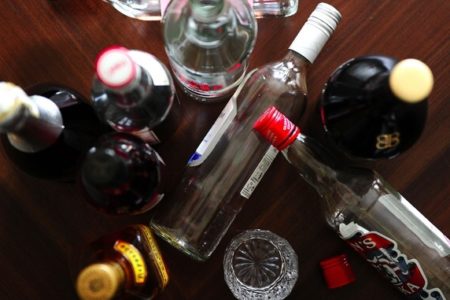
A nationwide survey has revealed that over 54 percent of minors and underaged children in Nigeria are able to buy alcohol for themselves, underscoring the scale of underage drinking and the ease with which children access alcoholic beverages across the country.
The survey, conducted in 2021 by Research and Data Solutions Limited, in collaboration with the National Agency for Food and Drug Administration and Control (NAFDAC) and sponsored by the Distillers and Blenders Association of Nigeria (DIBAN), found that 54.3 percent of minors and underaged respondents personally purchased alcohol from various outlets, a figure NAFDAC said points to a growing public health challenge.
NAFDAC, in a statement, yesterday, disclosed that according to the findings, 49.9 percent of the children obtained alcohol from retailers selling drinks in sachets and plastic bottles, while similar proportions accessed alcohol through friends and relatives. Social gatherings were another major source, with 45.9 percent reporting that they drank alcohol at such events. About 21.7 percent said they accessed alcohol from their parents’ homes.
Packaging emerged as a key factor in underage access. Among those who bought alcohol themselves, 47.2 percent of minors and 48.8 percent of underaged children purchased drinks in sachets, while over 40 percent obtained alcohol in PET bottles. More than a quarter of underaged respondents also bought alcohol in glass bottles.
Other News
The figures showed that Rivers, Lagos and Kaduna states recorded the highest levels of alcohol purchases in sachets and PET bottles. Procurement of sachet alcohol was more common among males than females and was slightly higher in rural areas than in urban locations.
The survey also revealed worrying drinking patterns among young people. While 54 percent of all respondents described themselves as occasional drinkers, 24 percent reported daily alcohol consumption and 11 percent drank alcohol at least once a week.
Among minors, 63.2 percent drank alcohol occasionally, but 9.3 percent admitted to daily consumption. The situation was more severe among underaged children, where 25.2 percent reported drinking alcohol every day. In contrast, 54 percent of underaged respondents said they drank occasionally, while 9.4 percent drank, at least, once a week.
Director-General, NAFDAC, Prof. Mojisola Adeyeye, said the figures point to a growing public health challenge, driven largely by easy access to alcohol, particularly in small, easily concealed pack sizes. She warned that the widespread availability of sachet alcohol and small bottles makes it difficult to restrict access by children and called for urgent action to address the trend. According to her, banning sachets and bottles smaller than 200 millilitres would significantly reduce underage drinking.
Adeyeye stressed that alcohol consumption by children should raise serious concern for parents, teachers, religious leaders and communities, noting that the data highlights the urgent need for collective responsibility to protect Nigerian children from alcohol abuse.