Follow Us on Google

From Molly Kilete, Abuja
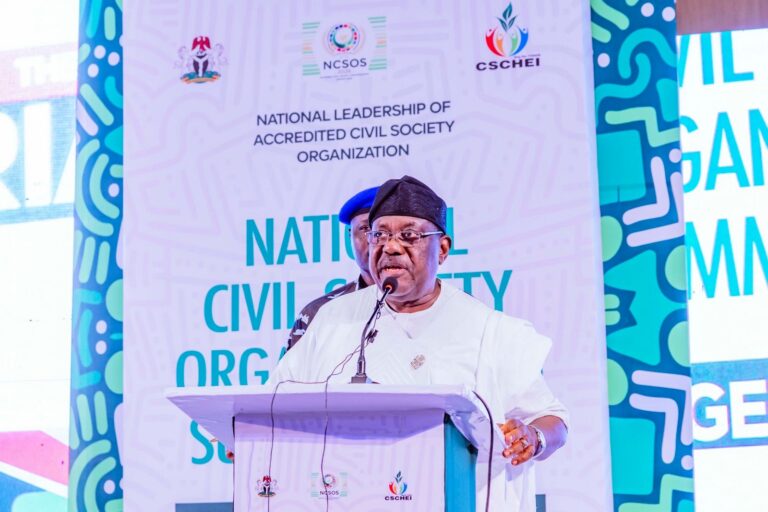
The Director-General of the National Information Technology Development Agency (NITDA), Kashifu Abdullahi, Monday, said about 16 million account were deactivated by LinkedIn over fraud, impersonation and harmful activity in the past year.
Abdulahi, who made this known at a symposium on digital innovations in crisis communication organised by the Centre for Crisis Communication, in Abuja, described the figure as “outrageous” for a platform built for professionals.
The Director General further revealed that Google, LinkedIn and TikTok collectively removed over 28 million accounts within the same period. He said Google alone shut down 9.68 million accounts associated with online scams, impersonation and harmful content.
Abdullahi, while noting that LinkedIn’s numbers highlight a growing trend of criminals exploiting professional platforms for social engineering, corporate impersonation and targeted fraud, said
“LinkedIn is mostly a professional site. So why are people using it to cause crises and other things?” he asked. “They use it for impersonation and for social engineering to defraud organisations and individuals.”
According to him, the deactivations followed strengthened collaboration between the Federal Government and global tech companies to curb online harms and improve crisis response mechanisms. In addition to account removals, more than 58.9 million pieces of harmful content were taken down, while 420,000 were reinstated after reviews or appeals.
Other News
He stressed the need for a transparent, standardised take-down and reinstatement process that protects users — especially minority voices — while ensuring that content violating Nigerian laws is swiftly removed.
The director general added that engagement with major tech platforms has improved regulatory compliance and supported Nigeria’s data protection reforms, including the establishment of the Nigerian Data Protection Commission.
In his address, The Minister of Information and National Orientation, Mohammed Idris, represented by the Director-General of the Voice of Nigeria, Jibrin Ndace, said emerging technologies must be leveraged to strengthen crisis communication without compromising national security. He warned that while technology enables rapid information flow, it also accelerates misinformation and harmful narratives.
Chairman of the Centre for Crisis Communication, retired Major General Chris Olukolade, emphasised that crisis communication has become a strategic national security priority, with real-time emergencies demanding equally real-time, verified responses. He noted that tools such as AI, big data, mobile alerts and real-time monitoring are now essential for early-warning detection and countering misinformation.