Follow Us on Google
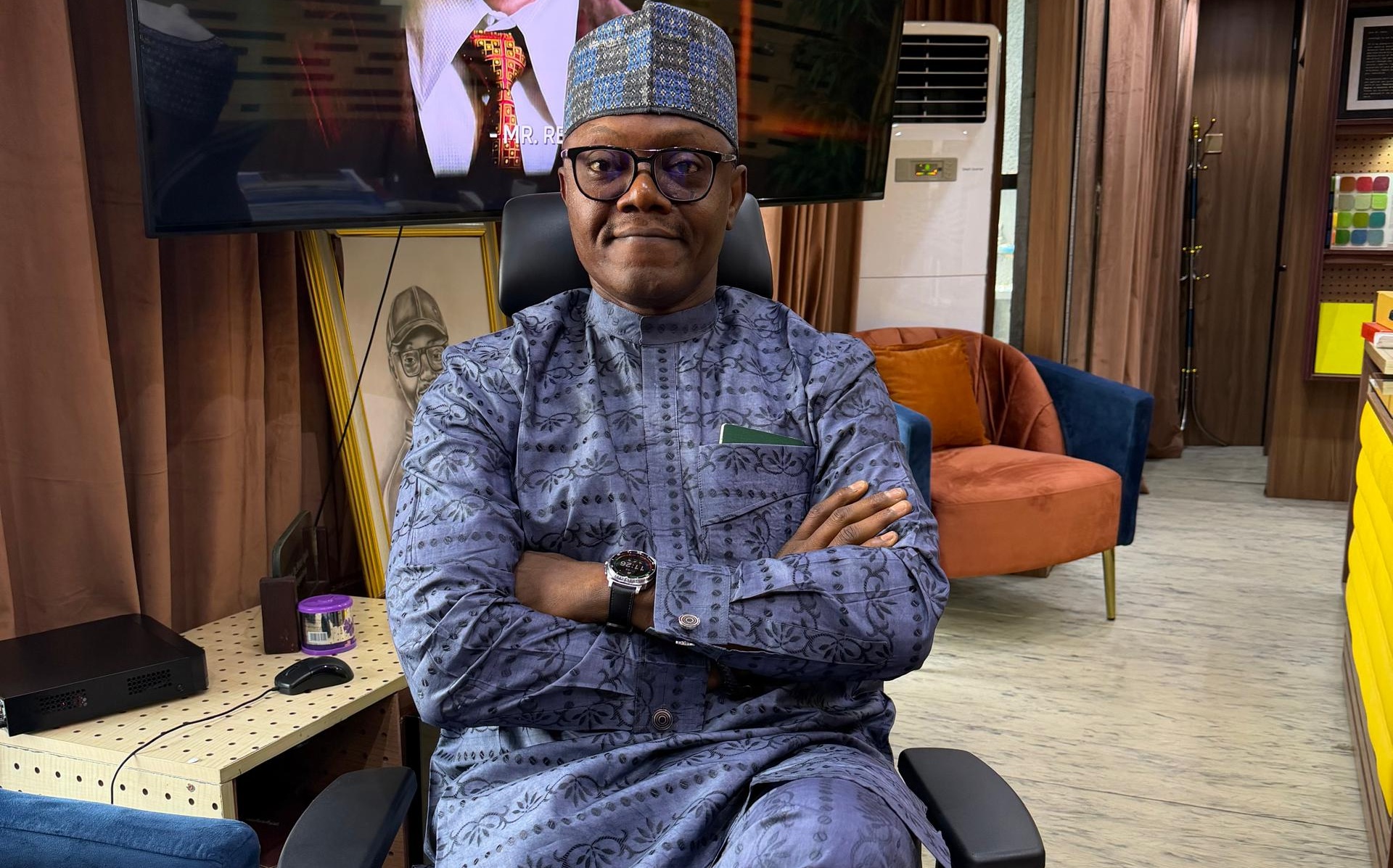
The presidential candidate of the Young Progressives Party (YPP), Peter Agada, has ruled out restoring petrol subsidy if elected president in the 2027 general elections, saying he would retain the policy introduced by President Bola Tinubu.
Agada made his position known during an appearance on Channels Television’s Politics Today on Friday, where he argued that Nigeria should focus on improving government revenue and addressing wasteful spending rather than reversing the subsidy removal.
“I will stick to the gun with the present administration. We will remove subsidy the way they have done,” he said.
Tinubu announced the removal of petrol subsidy during his inauguration on May 29, 2023, declaring that “subsidy is gone”. The decision led to a significant increase in petrol prices and added to the rising cost of goods and services.
While some presidential hopefuls, including African Democratic Congress (ADC) candidate Atiku Abubakar, have advocated restoring the subsidy to reduce fuel prices and ease economic hardship, Agada maintained that the policy should remain in place.
The YPP candidate attributed Nigeria’s revenue difficulties partly to how it manages its oil resources and the costs deducted before the Federal Government receives its share of crude oil earnings.
Referring to comments by the Minister of State for Finance, Taiwo Oyedele, Agada questioned how much revenue the government actually retains from the country’s crude oil production after royalties and other expenses are deducted.
He said the volume of oil revenue available to the Federal Government was insufficient to address the country’s financial needs, stressing the need to examine how the petroleum sector operates.
Agada also identified the Engineering, Procurement and Construction (EPC) system as an area requiring closer scrutiny, arguing that weaknesses in the process contribute to waste and limit government revenue.
“We want to interrogate that system because we think that the wastage and majority of the challenges Nigeria is facing in terms of lower revenue is coming from that whole regime or that system that Nigeria practices and we are saying that that system has been faulty from day one,” he said.
According to him, Nigeria faces challenges on both the revenue and expenditure sides of its finances, but excessive or inefficient spending remains the more pressing concern.
He suggested that, if he becomes president in 2027, reforms to improve public-fund management and reduce waste would be central to addressing the country’s economic difficulties.