Follow Us on Google
• 115 women battle for Senate, 328 for Reps • Natasha, Ireti, Adebule, Akume, Betty-Akeredolu among contenders
• Jigawa, Nasarawa, Niger, Yobe have no female Senate candidate • Lagos leads Reps with 31
From Ndubuisi Orji and Adesuwa Tsan, Abuja
Women constitute just 10.1 per cent of the 4,408 candidates seeking the 469 National Assembly seats in the 2027 general election, underscoring the continuing gender imbalance in Nigeria’s elective politics.
An analysis of the final list of candidates released by the Independent National Electoral Commission (INEC) shows that 115 women are among the 1,195 candidates contesting the 109 Senate seats, while another 328 are among the 3,213 candidates seeking the 360 House of Representatives seats.
Together, the two figures bring the number of female National Assembly candidates to 443 out of 4,408, compared with 3,965 male candidates.
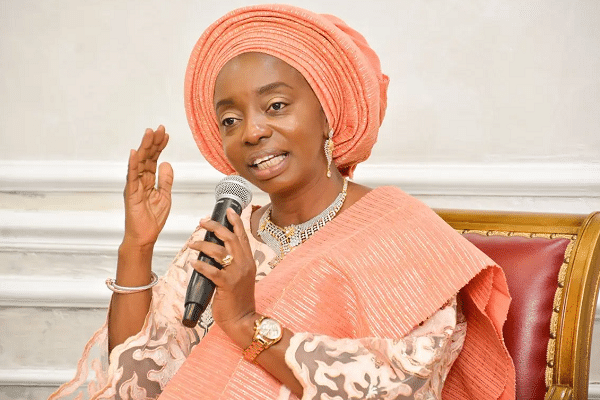
Among prominent women in the race are Senators Natasha Akpoti-Uduaghan and Ireti Kingibe; former Lagos State Deputy Governor, Idiat Adebule; Regina Akume, wife of the Secretary to the Government of the Federation (SGF), George Akume; and Betty Anyanwu-Akeredolu, widow of former Ondo State governor, Rotimi Akeredolu.
The figures also show an increase in the number of women contesting National Assembly seats compared with the 2023 election, although they remain substantially outnumbered by their male counterparts.
•Senate
In the Senate, 115 women are among the 1,195 candidates seeking the 109 seats, representing 9.6 per cent of the field.
Among the prominent contenders are Akpoti-Uduaghan, Kingibe and Adebule. The gender disparity is particularly pronounced in some states, with Jigawa, Nasarawa, Niger and Yobe having no female candidate for the Senate.
Akwa Ibom, on the other hand, has the highest number of female senatorial candidates, with 10 women in the race.
The number of women seeking Senate seats has risen from 92 in 2023 to 115 in 2027, an increase of 23.
In the 2023 election, the 92 women were among 1,101 candidates who contested for Senate seats. Despite the numerical increase in 2027, women still account for less than one in every 10 candidates seeking election to the upper chamber.
•House
In the House of Representatives, 328 women are among the 3,213 candidates contesting the 360 seats, representing 10.2 per cent of the field.
Other News
The female candidates include Akume and Anyanwu-Akeredolu, as well as several serving and former members of the House seeking election.
Akume, a serving member, is the All Progressives Congress (APC) candidate for Tarka/Gboko Federal Constituency of Benue State, while Anyanwu-Akeredolu is seeking to represent Owerri Municipal/Owerri North/Owerri West Federal Constituency of Imo State on the platform of the Labour Party (LP).
Other serving female lawmakers seeking election include Erhiatake Ibori-Suenu, representing Ethiope East/Ethiope West Federal Constituency of Delta State; Tolulope Akande-Sadipe, Oluyole Federal Constituency of Oyo State; Blessing Onuh, Otukpo/Ohimini Federal Constituency of Benue State; Fatima Talba, Nangere/Potiskum Federal Constituency of Yobe State; and Omosede Igbinedion, Ovia North East/Ovia South West Federal Constituency of Edo State.
Ibori-Suenu, daughter of former Delta State governor, James Ibori; Onuh, daughter of African Democratic Congress (ADC) National Chairman, David Mark; as well as Talba, Akande-Sadipe and Igbinedion are APC candidates in their respective constituencies.
Also seeking election are Maureen Gwacham, Oyi/Ayamelum Federal Constituency of Anambra State; Lillian Orogbu, Awka North/Awka South Federal Constituency of Anambra State; and Boma Goodhead, Akuku-Toru/Asari-Toru Federal Constituency of Rivers State.
Gwacham is contesting on the platform of the All Progressives Grand Alliance (APGA), while Orogbu and Goodhead are candidates of the Nigeria Democratic Congress (NDC) and Action Peoples Party (APP), respectively.
Former female lawmakers seeking a return to the House include former Minister of State for Labour and Employment, Nkeiruka Onyejeocha; Beni Lar and Lynda Ikpeazu.
The three served in the Ninth National Assembly but lost their re-election bids in the 2023 general election. They are contesting next year’s election on the APC platform.
Onyejeocha is seeking the Isuikwuato/Umunneochi Federal Constituency seat of Abia State; Lar is contesting for Langtang North/Langtang South Federal Constituency of Plateau State, while Ikpeazu is seeking to represent Onitsha North/Onitsha South Federal Constituency of Anambra State.
A state-by-state analysis of the House contest shows that Lagos has the highest number of female candidates with 31, followed by Imo with 21. Anambra and Rivers have 20 each, while Akwa Ibom has 17.
Nasarawa and Zamfara have the lowest number, with one female House candidate each. Borno and Kebbi have two apiece, while Jigawa and Kano have three each.
The number of women seeking House seats has risen from 288 in 2023 to 328 in 2027, an increase of 40. In 2023, the 288 female candidates were among 3,122 contestants for the lower chamber.
Taken together, the increase in the two chambers shows that the number of female National Assembly candidates rose by 63 — 23 in the Senate and 40 in the House — from 380 in 2023 to 443 in 2027.
But with 443 women among 4,408 candidates, they constitute only 10.1 per cent of the total field, leaving men with almost 90 per cent of the slots on the ballot.
The January elections will determine whether the increase in female candidacies translates into greater representation in the next National Assembly or whether the longstanding male dominance of the federal legislature persists.