Follow Us on Google
As Nigeria approaches the 2027 general elections, the political conversation is increasingly shifting towards who should govern the country next. But beyond criticism of the present administration, one question deserves serious attention: What will the opposition do differently from President Bola Ahmed Tinubu?
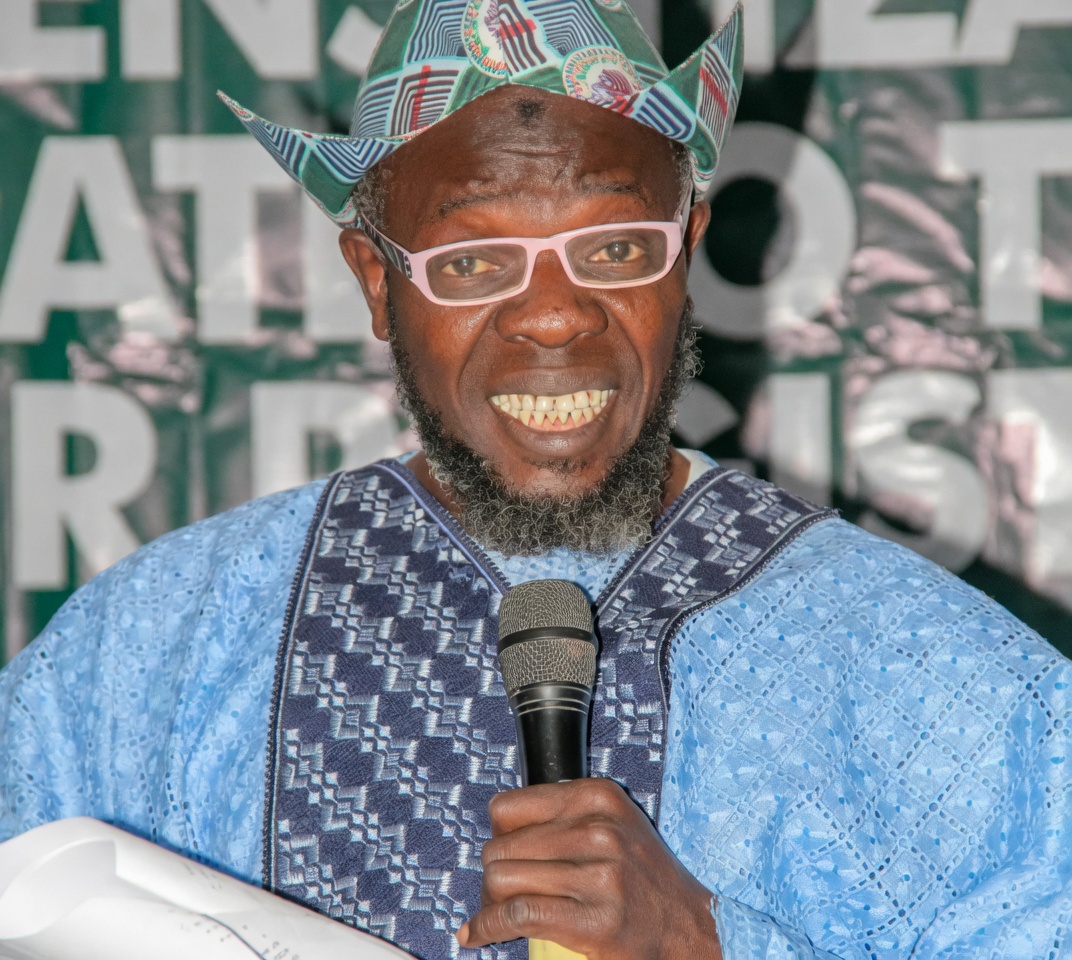
That is the central question being raised by the National Coordinator of the Bola Tinubu Supporters Group, Comrade Abdulhakeem Adegoke Alawuje, who argues that Nigerians should not only examine the performance of the current administration but also demand clear answers from opposition politicians seeking to replace it.
“Fortunately for President Bola Ahmed Tinubu and unfortunately for his critics, Nigerians are entitled to compare the present administration not only with the past, but also with those seeking to replace it,” Alawuje said.
In a statement, Alawuje said political opposition should go beyond condemning government policies and presenting Nigerians with another set of familiar political names.
“If some Nigerians claim they cannot see Tinubu’s achievements, then they should also answer a simple question: Who exactly do you want to replace him with, what have those people achieved before, and what makes you believe they will do better?” he asked.
Alawuje said the 2027 contest should therefore be about concrete alternatives rather than political slogans.
“It is not enough to demand a change of government. Those seeking power must explain what they have to offer that Nigerians have not already seen,” he said.
For Alawuje, the important question facing Nigerians is not simply whether the current administration should be supported or criticised, but whether those seeking to take over have clearly demonstrated how they intend to govern differently.
“Nigeria does not lack politicians. Nigeria needs credible leadership, competence, accountability, fresh ideas and measurable results,” he said.
He argued that Nigerians have the right to scrutinise the records of opposition politicians who have previously occupied important positions in government.
“Nigerians have memories. We remember those who have occupied positions of authority, their promises, decisions, achievements, failures and controversies,” Alawuje said.
He maintained that the records of politicians seeking another opportunity to govern should form an important part of the 2027 political debate.
“Their records are therefore part of Nigeria’s public history and should be examined whenever they seek another opportunity to lead,” he said.
Alawuje said politicians who have previously held public office should be prepared to explain their records to voters who may be considering giving them another opportunity.
“After decades in public life, Nigerians deserve to ask: What is different this time?” he said.
He listed a series of questions that, in his view, political leaders seeking another mandate should be prepared to answer.
“What did you achieve? Where did you fail? What do you accept responsibility for? What have you learned? What would you do differently?” he asked.
He also challenged opposition politicians to move beyond criticism and present detailed solutions to the problems confronting the country.
“What concrete solutions do you have for Nigeria’s economic, security and governance challenges?” Alawuje asked. “And why should Nigerians trust you again?”
According to him, the opposition has a responsibility to explain not only what it believes the Tinubu administration is doing wrong, but also what it intends to do differently if given the opportunity to govern.
“Those seeking to replace the present administration must also demonstrate why Nigerians should consider their programmes and proposals,” he said.
Other News
Alawuje stressed that raising questions about the records of political figures should not be interpreted as declaring anyone guilty of allegations or controversies.
“The purpose of raising these issues is not to pronounce anyone guilty of disputed allegations,” he said.
“It is to insist that anyone seeking public trust must be prepared to answer legitimate questions about his record.”
He said the same standard should apply to every politician, regardless of party affiliation or political standing.
“The same standard applies to all political actors,” Alawuje added.
According to Alawuje, Nigerians should not be asked to support a political alternative simply because it is opposed to the incumbent administration.
“Our democracy should not be reduced to asking Nigerians to forget yesterday and believe that tomorrow will automatically be different,” he said.
Those seeking power, he argued, should explain not only what they believe the current administration has done wrong, but also what they would do differently if given the opportunity.
“It is not enough to tell Nigerians what is wrong. Those seeking power must also tell Nigerians what they intend to do about it,” he said.
For Alawuje, this means putting forward specific policies, measurable targets and clear explanations of how an alternative administration would address Nigeria’s economic, security and governance challenges.
“The issue is not whether you have the constitutional right to participate in politics. You do,” he said.
“The issue is whether Nigerians should continue to recycle familiar political names without demanding accountability for previous years in public office.”
As political parties and politicians position themselves ahead of the 2027 elections, Alawuje said Nigerians should insist on a campaign centred on records, ideas and accountability.
He urged politicians seeking the confidence of Nigerian voters to confront their past records rather than asking citizens to forget them.
“If you want Nigerians to trust you again, do not ask them to forget,” Alawuje said. “Explain your record. Defend your decisions. Accept responsibility where necessary. Present your plans.”
“And give Nigerians a reason to believe that this time will truly be different.”
As the 2027 political contest takes shape, the question of what comes after Tinubu is likely to be accompanied by an equally important question: what, precisely, will those seeking to replace him do differently?
For Alawuje, Nigerians should demand clear answers before they are asked to place their trust in any political alternative.
“Nigeria belongs to all of us,” he said. “The power to demand accountability from those who seek to lead us also belongs to all Nigerians.”