Follow Us on Google

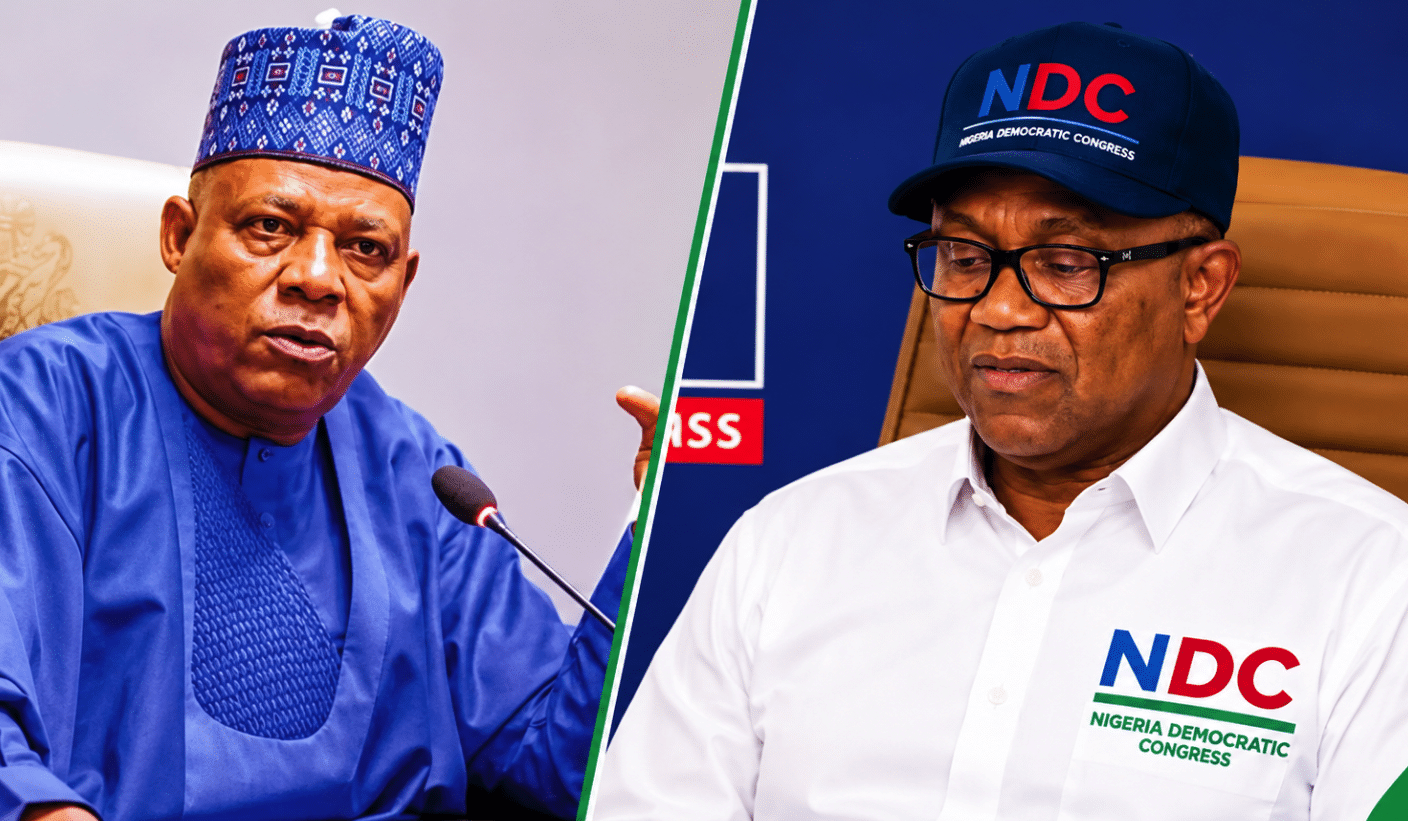
The media office of Peter Obi, presidential candidate of the New Democratic Congress (NDC), has criticised Vice-President Kashim Shettima over his description of the former Anambra State governor as “diminished”, urging political leaders to focus on governance records, policies and ideas ahead of the 2027 general elections.
In a statement issued by its spokesman, Idris Zekeri Jnr, the media office described Shettima’s remark as inconsistent with the standards of political engagement expected of public office holders.
The office questioned why the Vice-President would call on Northerners to respect former Vice-President Atiku Abubakar while making what it considered a dismissive remark about Obi, another opposition figure.
“Although Shettima has the right to oppose Obi, it is difficult to understand why he would demand respect for one opposition leader while casually dismissing another,” the statement said.
It maintained that political differences should not prevent leaders from acknowledging the contributions and standing of their opponents.
The media office also defended Obi’s conduct, describing his political engagements as focused on issues rather than personal attacks.
“As a man of great decency, our candidate has conducted his campaign professionally and decorously. He has consistently focused his remarks on issues and has neither discussed nor used abusive language against anyone,” it said.
The statement further compared the records of Obi and Shettima during their respective tenures as governors of Anambra and Borno states.
It argued that Obi’s administration performed better in key areas of governance, citing fiscal management and investments in education and healthcare.
“However, Obi’s performance in Anambra State across key areas of governance surpassed Shettima’s record in Borno State, as demonstrated by performance statistics and the awards he received,” the office said.
However, the statement did not provide comparative statistics to support its assessment of the two former governors’ records.
The exchange comes as political leaders and parties intensify their positioning ahead of the 2027 general elections, with disagreements over candidates’ records and political standing becoming part of the unfolding contest.