Follow Us on Google

From Idu Jude, Abuja
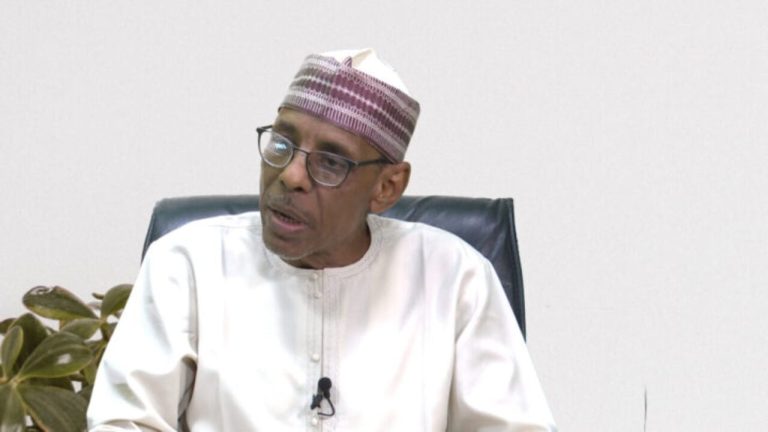
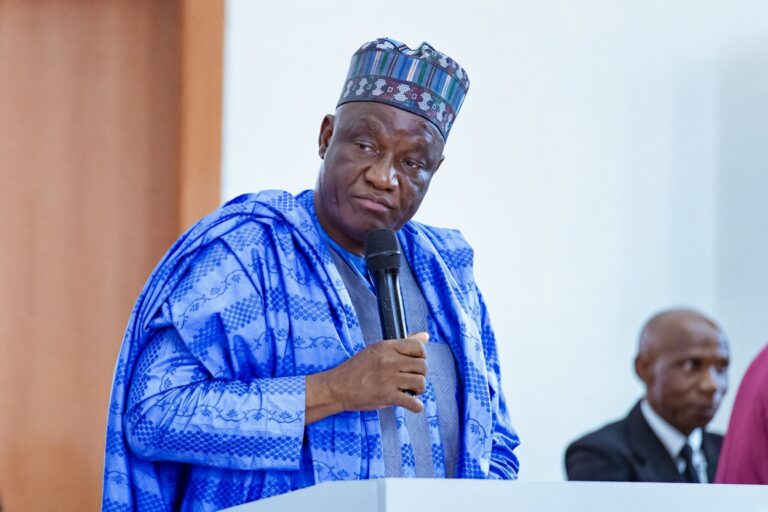
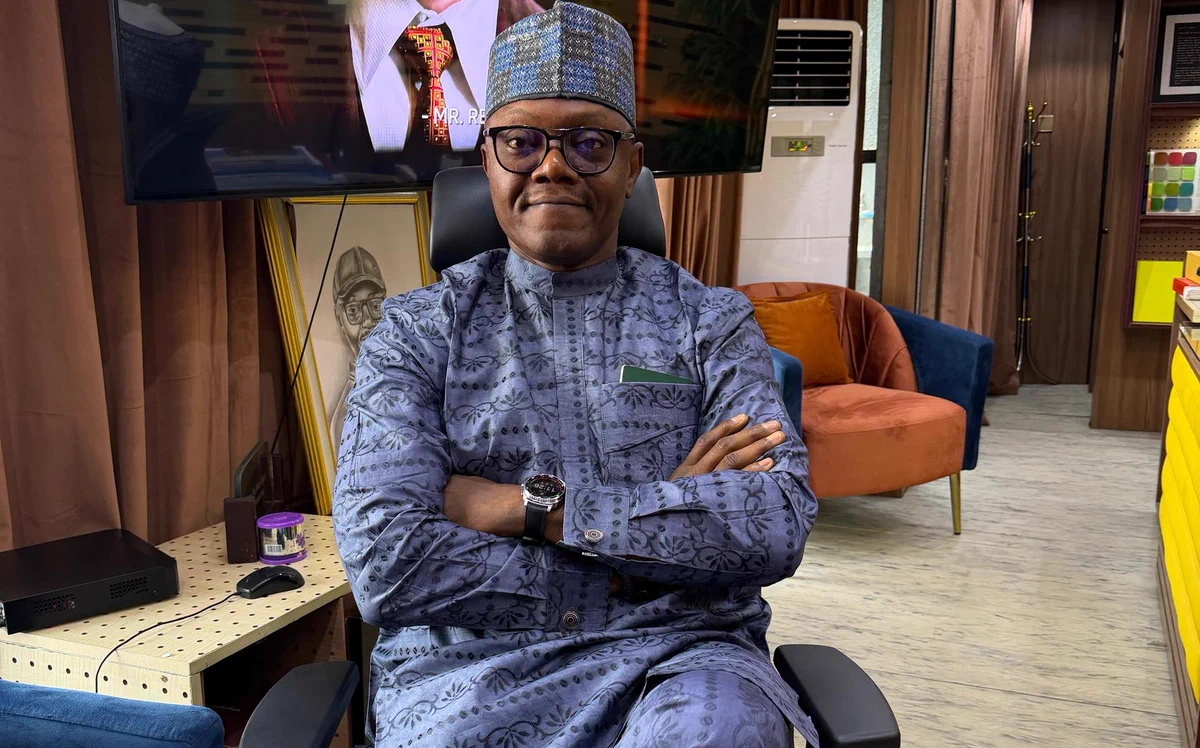
Architect Dr Peter Agada, the 2027 presidential candidate of the Young Progressives Party (YPP), has again challenged President Bola Ahmed Tinubu and the ruling All Progressives Congress (APC) over the implementation of Section 2 of the Procurement Act.
Agada alleged that several administrations have neglected Section 2 of the Procurement Act since its enactment, failing to ensure proper implementation and successful economic development.
He said that, for that reason, Nigeria has spent over $232 trillion on development and has very little to show for it.
Agada added that his administration, if elected, will ensure mass production of petroleum for consumption through the establishment of modular refineries to drive the economy and empower local industries and small-scale businesses.
Other News
Dr Peter Agada, who made the remark in Abuja over the weekend while speaking in an exclusive interview with the Daily Sun, highlighted that Nigeria needs to implement the neglected Section 2 of the Procurement Act.
He said: “For YPP and the Presidential Campaign Council (PACC), there is a clear difference between what we will do and what they are doing. It is to reform the EPC contractual processes. And the question is, how are these done? And the process of reforming it is, first of all, to set up the National Council on Engineering Procurement Contract (EPC+F). Now we want to interrogate that system because the majority of the wastage and the majority of the challenges Nigeria is facing and the majority of revenue are coming from the regime that Nigeria practises, and we have seen that the system has been faulty from day one. And from the day Nigeria became the Fourth Republic, and a Procurement Act was passed, Section 2 has not been implemented, and the section stated that there must be a National Council on Procurement.”
Meanwhile, Agada observed that Nigeria is currently facing complicated national spending, productivity and revenue problems. “We are having both; mostly, it is a spending problem.”
“When we try to control the economy and to stop wastage in importation and capital flight, then we can give crude oil to the modular refineries, then we can have enough to wipe out or renegotiate the current debt situation. So it is increasing production; that’s what I’m saying,” he concluded.