Follow Us on Google

• Warns NASS against blanket approval, puts international lenders on notice
From Ndubuisi Orji, Abuja
The African Democratic Congress (ADC) has accused President Bola Tinubu of mortgaging Nigeria’s future through what it described as reckless and endless borrowing, warning that his latest request for $20.52 billion and €1.045 billion in external loans could saddle future generations with debts whose purposes and benefits remain unclear.
The opposition party, which challenged the President to account for loans obtained since assuming office on May 29, 2023, also demanded a detailed explanation of the revenue saved from fuel subsidy removal, insisting that Nigerians deserved to know why the government was seeking additional foreign loans amid worsening economic hardship.
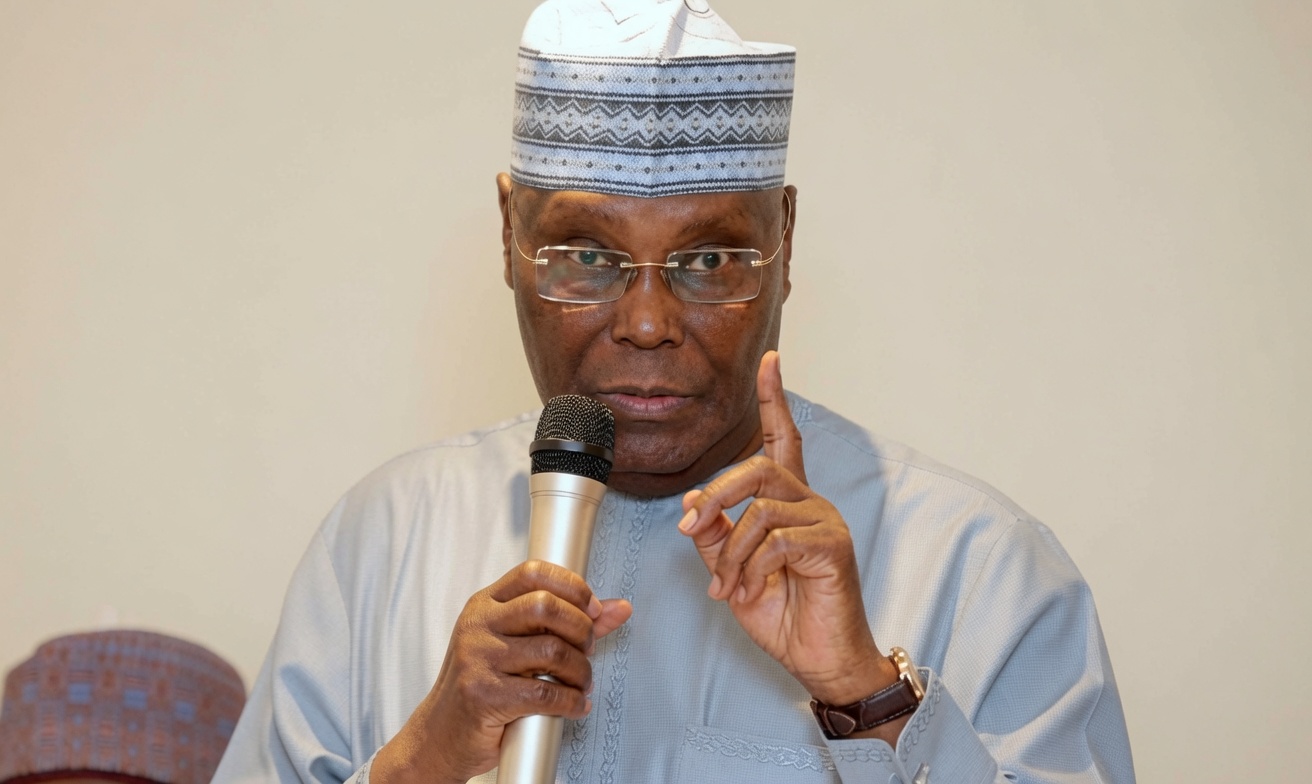
Its presidential candidate, former Vice President Atiku Abubakar, went further, alleging that the proposed borrowing could be used to finance Tinubu’s 2027 re-election campaign through the Lagos-Calabar Coastal Highway and contracts awarded to political loyalists.
The allegations followed Tuesday’s request by Tinubu to the National Assembly for approval of the 2026–2027 Supplementary External Borrowing Plan, covering projects in infrastructure, agriculture, healthcare, education, water supply, security, employment generation and financial management reforms.
In separate statements issued by the ADC Presidential Campaign Council, the opposition party and Atiku demanded that the National Assembly suspend consideration of the loans until the Federal Government publicly disclosed the projects, contractors, financing terms, repayment obligations and expected economic benefits.
The campaign council, in a statement by its Director of Media and Publicity, Kola Ologbondiyan, described the borrowing request as reckless and unconscionable, arguing that it came at a time when Nigerians were still struggling with the consequences of the administration’s economic policies, including rising living costs, increased taxation and fuel subsidy removal.
The council questioned the government’s fiscal priorities and demanded a comprehensive account of all domestic and external borrowing undertaken since Tinubu assumed office, alongside details of how revenue accruing from subsidy removal had been utilised.
“What exactly is President Tinubu borrowing all this money for? Where are the roads, the electricity, the hospitals, the jobs and the critical infrastructure that should justify this relentless accumulation of debt? Nigerians deserve answers.
“Where is the money saved from fuel subsidy removal? What happened to the previous loans? And why must the government return to the international credit market with another $20 billion and £1 billion when millions of Nigerians are struggling to survive?” the statement queried.
The council argued that the proposed loans raised questions about the administration’s economic direction, commitment to fiscal discipline and ability to translate borrowed funds into tangible improvements in the lives of Nigerians.
“This is not a sustainable path to national development. It is a dangerous attempt to mortgage the future of Nigeria and generations yet unborn. A country cannot continue to accumulate foreign debt without a clear, measurable and transparent account of the benefits accruing to its citizens.
“President Tinubu cannot continue to impose painful economic sacrifices on Nigerians, claim the benefits of subsidy removal and, at the same time, seek enormous additional loans without adequately explaining how the resources already available to his government have been spent,” it stated.
The ADC-PCC also demanded disclosure of the interest rates, repayment periods, associated fees, conditionalities and any collateral or guarantees attached to the proposed facilities, warning that borrowing without sufficient transparency could expose the country to unacceptable financial obligations.
“The sovereignty of Nigeria must not be compromised by fiscal recklessness. Our national assets, economic independence and the welfare of future generations must not become casualties of an endless borrowing spree,” it warned.
The council maintained that borrowing should be tied to clearly defined national priorities, transparent expenditure and measurable development outcomes, rather than becoming a recurring response to fiscal pressures.
“Nigeria cannot borrow its way out of poor economic management. Borrowing must be tied to clearly defined national priorities, transparent expenditure and measurable outcomes. Anything less is an injustice to the Nigerian people,” it stated.
It challenged the National Assembly to exercise its oversight responsibilities by subjecting the proposal to rigorous scrutiny and withholding approval unless the Federal Government established a compelling justification for the facilities.
“The National Assembly must not abdicate its oversight responsibilities. It must insist on accountability and ensure that no borrowing arrangement places the country’s future at unacceptable risk.
“Nigerians must not be compelled to pay indefinitely for loans whose purposes, terms and benefits remain unclear. Our country must not mortgage its future through opaque and unsustainable borrowing,” the statement added.
In a separate statement issued by the Director of Strategic Communication of the ADC Presidential Campaign Council, Phrank Shaibu, Atiku accused Tinubu of seeking fresh multibillion-dollar loans barely 12 weeks before the presidential election without making sufficient information available to Nigerians about the projects and their beneficiaries.
Atiku recalled that he had, on October 12, raised concerns over reports that the administration was planning to borrow up to $20 billion in connection with the Lagos-Calabar Coastal Highway and challenged the President to confirm or deny the proposal.
“On October 12, I warned Nigerians that President Tinubu was reportedly preparing to borrow up to $20 billion in connection with the Lagos-Calabar Coastal Highway. I asked him to confirm or deny the plan and publish the accounts. He did neither. Today, he has asked the Senate to approve $20.52 billion and €1.045 billion in external loans. My warning has been vindicated,” he said.
The former vice president questioned the absence of publicly available project-by-project details, alleging that the proposed borrowing could provide an avenue for diverting public resources to politically connected contractors.
“The President has listed broad sectors but has not provided a project by project account of what this enormous borrowing will fund. Nigerians have not been given clear project details, costs, locations or contractors to scrutinise.
“That silence is especially troubling given the highway’s inland rerouting. Nigerians have every right to ask whether it is becoming a pipeline for borrowed money to reach Tinubu’s campaigners and favoured contractors,” he alleged.
Other News
Atiku challenged the President to establish that the proposed facilities were intended strictly for development rather than political expenditure, questioning the timing of the request.
“Barely 12 weeks before an election, how can the President ask lawmakers to saddle Nigerians with more than $20 billion and €1 billion in debt without identifying the projects and their costs? Is this a development plan for Nigerians or a campaign financing scheme dressed up as infrastructure?” he asked.
He maintained that the legislature should not approve additional borrowing until the government provided details of the projects, contract values, contractors, loan conditions and repayment commitments.
“The National Assembly must not approve a single dollar until the President publishes every project, contract, cost, contractor, loan term and repayment obligation. No public money should be borrowed in the dark, and no lawmaker should sign a blank cheque against Nigeria’s future,” he declared.
The ADC candidate also put local and international lenders on notice, warning that any facility granted to the current administration must comply with constitutional, statutory and due process requirements.
He pledged that, if elected president, his administration would scrutinise borrowing undertaken during the closing months of Tinubu’s current tenure and challenge transactions found to have violated the law.
“You cannot continue taking frivolous loans on the eve of your departure from office. Let it be on record that one of the first responsibilities I will undertake as President is to scrutinise and investigate every kobo borrowed, especially loans taken in the final year of your tenure. Nigerians will ask questions, and we will find the answers by every lawful means,” he said.
“I put local and international lenders on notice: any loan granted to this winding down administration must meet all constitutional, statutory and due process requirements. Upon assumption of office, I will scrutinise every such loan. Any borrowing found to have been obtained without proper authorisation or process will be challenged and will not be allowed to stand.”
Atiku argued that the borrowing proposal was particularly troubling at a time when many households and businesses were struggling with high living costs, declining purchasing power and other economic pressures.
He maintained that Nigerians had a right to know who would benefit from the proposed loans and how the government intended to repay them.
“Families already struggling with a cost of living crisis should not be made to carry debts they did not approve. The woman fighting to keep her business alive and the worker spending their income just to feed deserve to know where the money is going, who will benefit and who will pay,” he said.
The latest controversy follows Atiku’s earlier demand for publication of contracts, payment records, feasibility studies, environmental assessments and original and revised route plans relating to the Lagos-Calabar Coastal Highway.
He had questioned the financial implications of reported changes to sections of the highway’s alignment and alleged that lawmakers were being pressured to approve additional borrowing connected with the project.
However, no evidence has been presented establishing that the proposed external loans would be diverted to Tinubu’s political campaign or favoured contractors. The President’s publicly reported letter also does not establish that the entire borrowing request is intended for the Lagos-Calabar Coastal Highway.
Meanwhile, Tinubu, in his communication to the National Assembly, maintained that the proposed borrowing was necessary to bridge the country’s infrastructure financing gap and accelerate economic growth.
The President said the projects and programmes covered by the 2026–2027 Supplementary External Borrowing Plan had been selected following technical and economic evaluations, taking into account their expected contributions to Nigeria’s socioeconomic development.
“I want to emphasise that the projects and programmes included in the Borrowing Plan were selected based on thorough technical and economic evaluation, as well as their anticipated contribution to the socio-economic development of the country,” he stated.
Tinubu explained that the facilities would support projects across infrastructure, agriculture, healthcare, education, water supply, security and employment generation, alongside financial management reforms.
He said the interventions would generate employment, promote skills acquisition and entrepreneurship, reduce poverty and strengthen food security.
“These initiatives aim to generate employment, promote skill acquisition, foster entrepreneurship, reduce poverty and enhance food security, all of which improve the livelihood of the Nigerian child,” he said.
According to the President, most of the projects would be implemented across the 36 states and the Federal Capital Territory, with particular attention to power, transportation and healthcare infrastructure.
He urged the National Assembly to grant early approval to facilitate timely disbursement and implementation of the projects.
Following the presentation of the request during Tuesday’s plenary, Senate President Godswill Akpabio referred the proposal to the Senate Committee on Local and Foreign Debts for scrutiny, with input from the Committees on Appropriations and Finance.
Akpabio observed that aspects of the borrowing plan had featured in earlier government budgetary and borrowing arrangements, indicating that the committees would examine the relationship between the latest request and previously approved facilities.
The committees were given one week to report their findings.
The ADC, however, insisted that the National Assembly must not approve the facilities without publicly establishing their necessity, financial implications and expected benefits, warning that future generations should not be burdened with debts whose purposes and repayment obligations had not been adequately explained.