Follow Us on Google
From Juliana Taiwo-Obalonye, Abuja
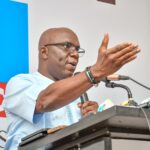
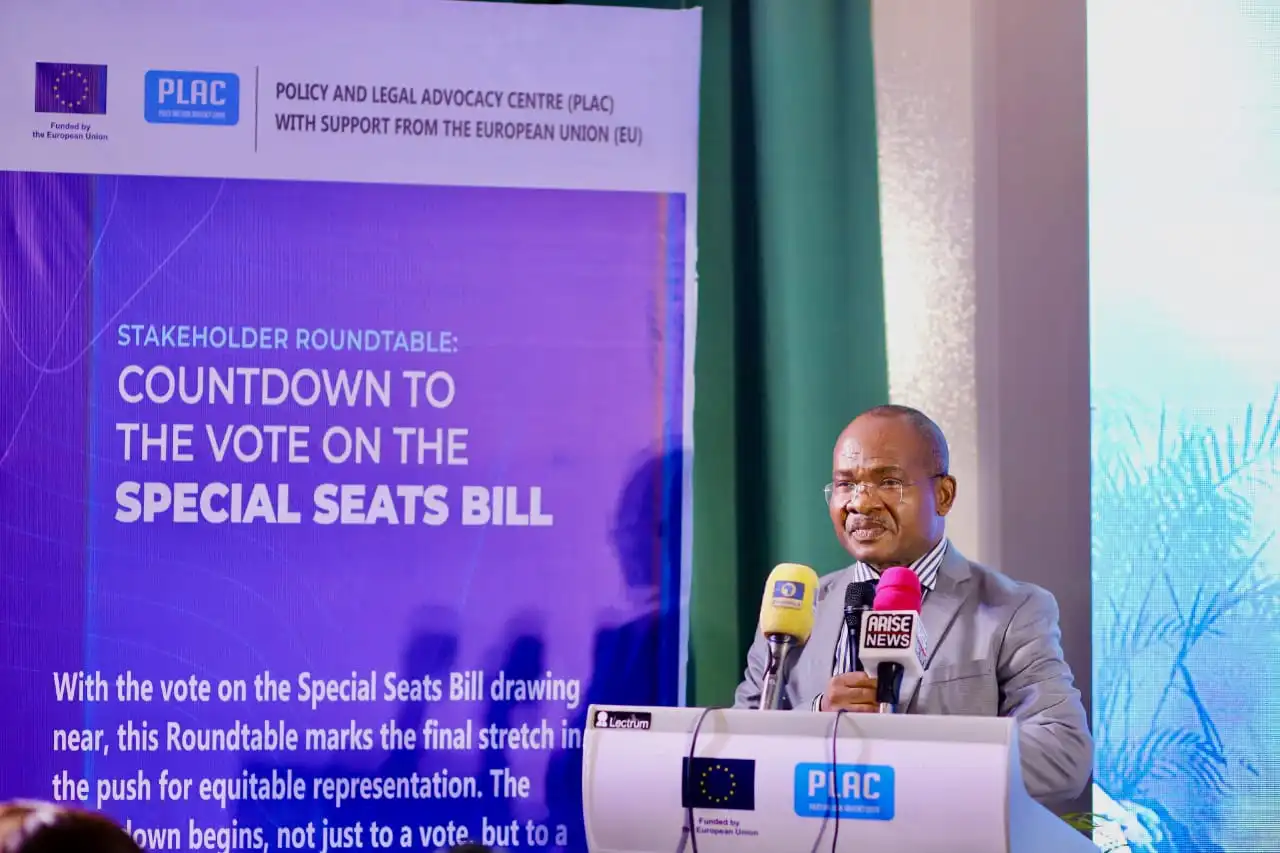
The Executive Director of the Policy and Legal Advocacy Centre (PLAC), Clement Nwankwo, delivered a grave warning at a high-stakes stakeholder roundtable: failure to pass the Special Seats Bill will render the 10th National Assembly a resounding failure in citizens’ eyes, overshadowing all other achievements.
At the PLAC roundtable—co-hosted by the House of Representatives Committee on Women Affairs and with EU support—Nwankwo, a constitutional reform champion since 2010, called this vote his “final mission.” He declared, “If this bill is not passed… the 10th National Assembly is a failure if the Special Seats Bill does not pass.” He stressed its national resonance: “This is a bill that has now built into popular demand of Nigerians, not just women—Nigerians—regarding the responsibility of the National Assembly and the true response to citizens’ demands.”
Nwankwo urged unrelenting advocacy, saying, “The National Assembly represents us. If it is not, it would define the qualification of this National Assembly.” He asserted the bill’s passage will now be the measure by which this Assembly is judged.
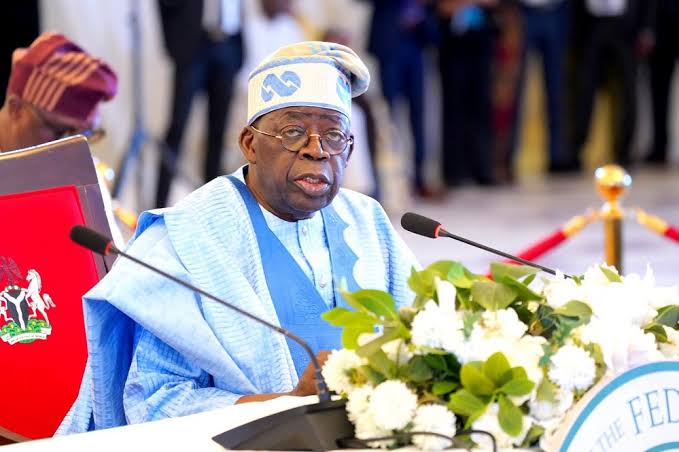
As the House prepared to consider the bill, House Committee on Women Affairs Chair, Kafilat Ogbara, shared optimism: “The special seats bill for women represents not just a legislative proposal—it embodies our collective commitment to ensuring that women have a rightful place in decision-making at all levels of governance.” Ogbara praised elite support from the First Lady, President Tinubu, and parliamentary leaders, as well as advocates driving the campaign, and declared, “We are hoping for the best… As we prepare for the upcoming vote, let us remember our work does not end here. We must continue to mobilise our communities, engage with policymakers, and raise awareness about the importance of this bill.”
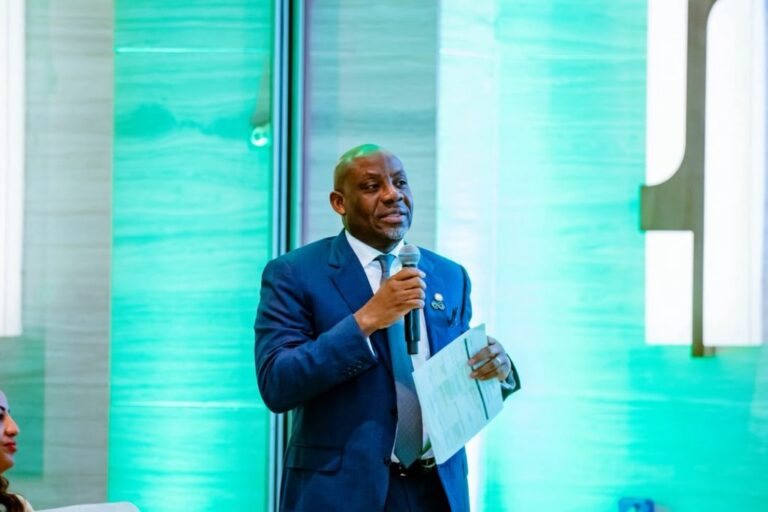
EU Deputy Ambassador to Nigeria and ECOWAS, Zissimos Vergos, positioned the bill as meeting a global inevitability: “The 21st century will be the century of youth, global awareness, and women’s inclusion.” Vergos highlighted Nigeria’s low women’s representation (7.4% in the National Assembly) and the need for both affirmative action and political party reform, noting the EU’s €200 million electoral support to Nigeria.
Other News
“Human rights are women’s rights,” he said. “Let us not forget that among those rights are the right to participate in political life.”
Deputy British High Commissioner, Gill Lever, echoed the critical importance of passing the bill. She thanked stakeholders, praised the First Lady’s efforts, hailed Speaker Abbas and Deputy Speaker for their advocacy, and pointed to young people’s support. Lever compared Nigeria’s less than 5% female legislature to the UK’s nearly 50%, noting such underrepresentation hurts Nigeria’s standing and growth. “Let’s prosper. Let’s not struggle,” she urged, calling the vote a legacy issue.
Lever referenced the benefits of women’s political participation—economic growth, better social policies, less corruption—and advised seizing the historic opportunity with the bill. She closed, “There’s no greater force for change…than a world of empowered women.”
Sessions explored the bill’s constitutional framework, state dynamics, and final advocacy strategies, as the Assembly prepared for a vote that may define its legacy—as passage or infamy now hangs in the balance.